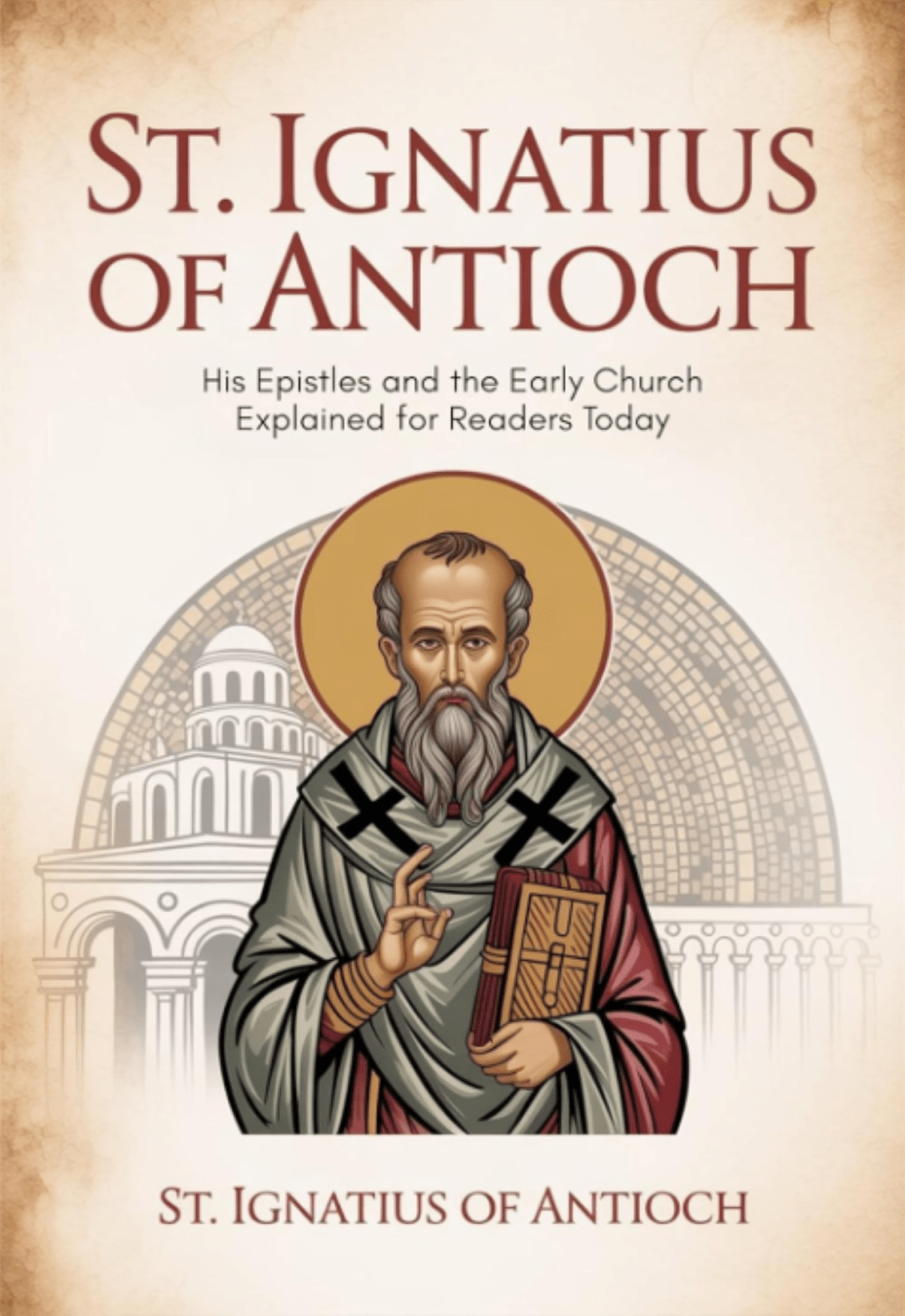
Replacement Theology was founded by Ignatius of Antioch. He was executed in Rome around 110 A.D.
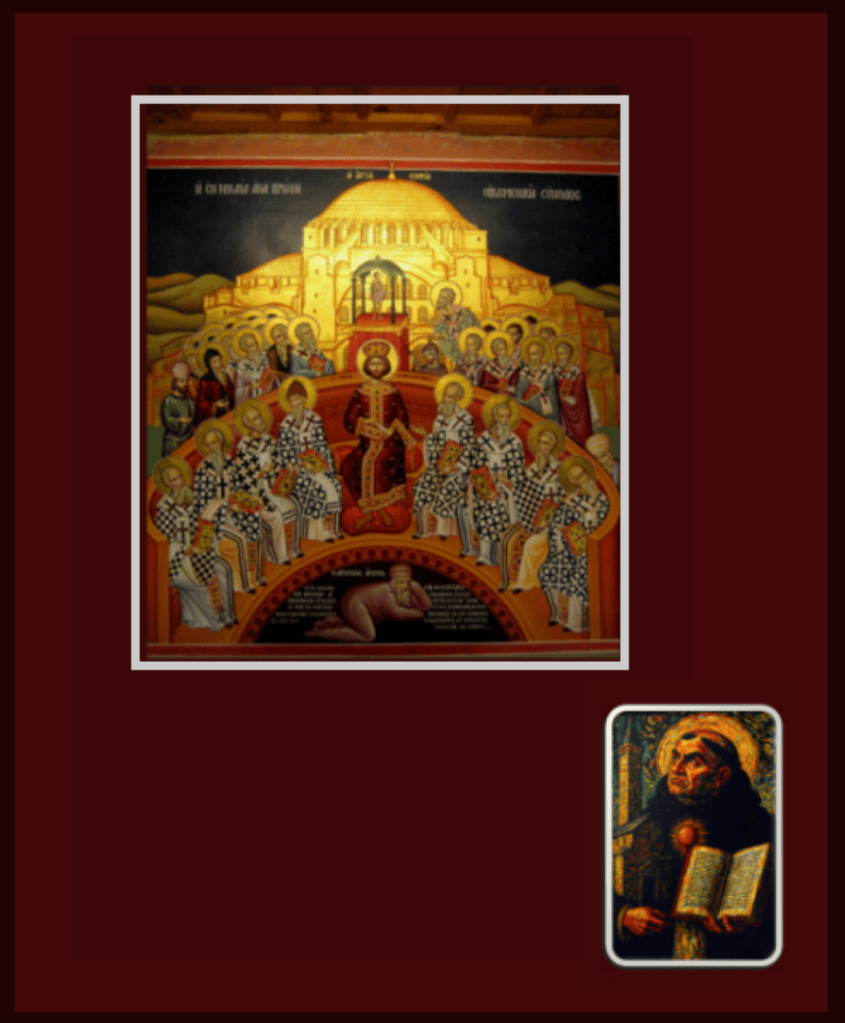
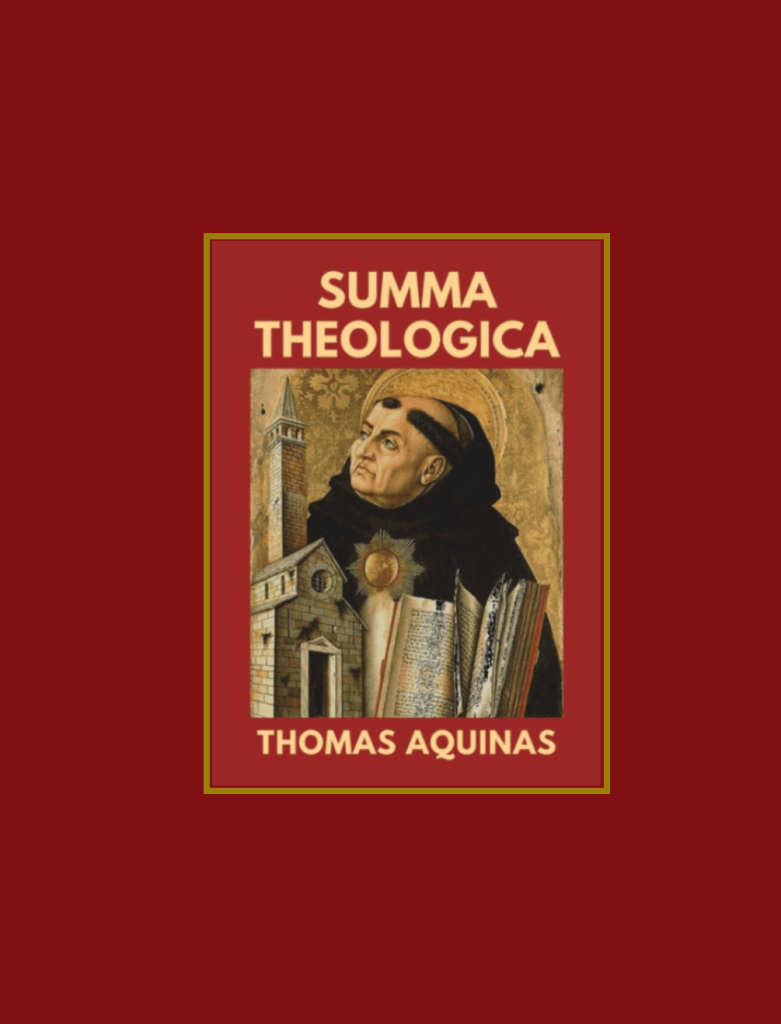
The replacement of everything Jewish intensified at this Church Council (325 A.D.) and was systematized by Thomas Aquinas and his “SCHOOLMEN” seven hundred or so later.
His books are now the backbone of the Roman Catholic Church.
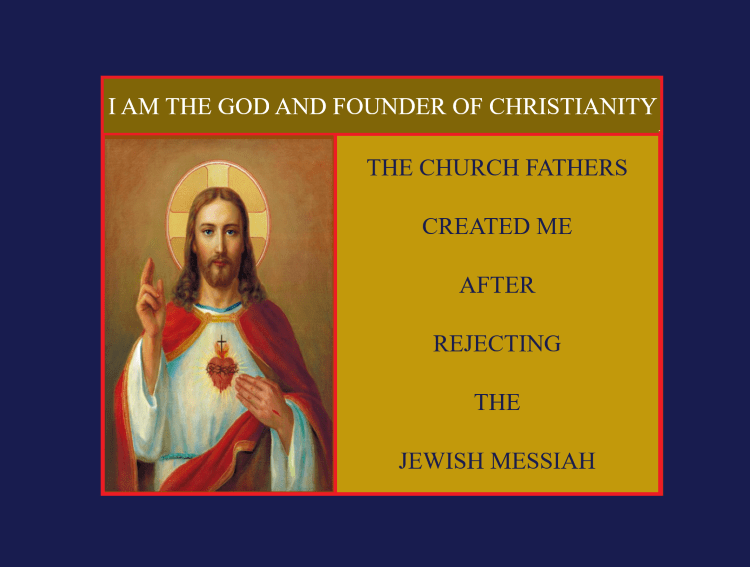
They replaced Messiah with their “CHRIST”.
Stand with Israel.
Their regathering is foretold in Scripture.
What is this?
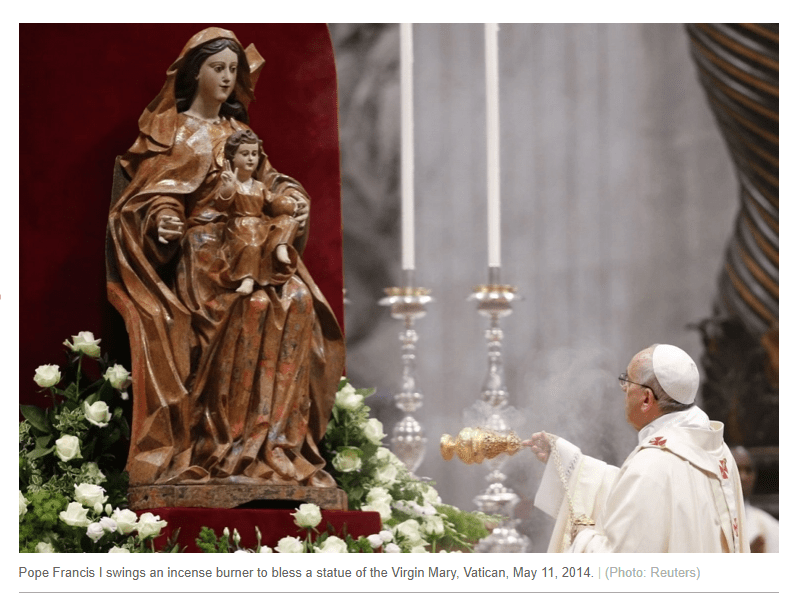
In 380 A.D. Nicene Christianity became the “ONE-WORLD” religion of the Roman empire by the Edict of Thessalonica.
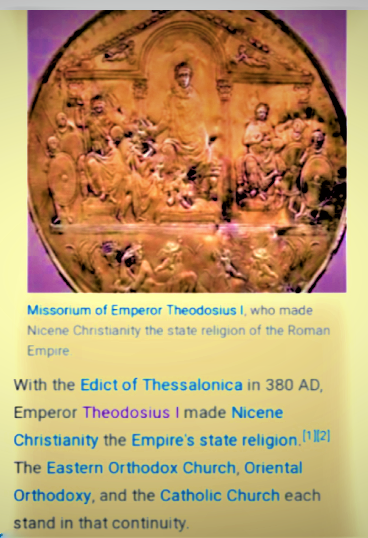
We must discover what the Apostle taught. Those who came after him infused Paganism and Greek Philosophy into their doctrines and practices and over two billion blind followers defend them.
Study The Apostle Paul and
his Doctrines & Practices:
Open your Bible to Acts 21:18 and know that The Apostle Paul was a Torah compliant Jew who was selected by YHVH to fulfil the Isaiah 49:6 “Messianic Prophecy” to the Gentiles.
18 And the day following Paul went in with us unto James; and all the elders were present.
19 And when he had saluted them, he declared particularly what things God had wrought among the Gentiles by his ministry.
20 And when they heard it, they glorified the Lord, and said unto him, Thou seest, brother, how many thousands of Jews there are which believe; and they are all zealous of the law (Torah):
21 And they are informed of thee, that thou teachest all the Jews which are among the Gentiles to forsake Moses (Torah), saying that they ought not to circumcise their children, neither to walk after the customs.
22 What is it therefore? the multitude must needs come together: for they will hear that thou art come.
23 Do therefore this that we say to thee: We have four men which have a vow on them;
24 Them take, and purify thyself with them, and be at charges with them, that they may shave their heads: and all may know that those things, whereof they were informed concerning thee, are nothing; but that thou thyself also walkest orderly, and keepest the law.
25 As touching the Gentiles which believe, we have written and concluded that they observe no such thing, save only that they keep themselves from things offered to idols, and from blood, and from strangled, and from fornication.
26 Then Paul took the men, and the next day purifying himself with them entered into the temple, to signify the accomplishment of the days of purification, until that an offering should be offered for every one of them.
27 And when the seven days were almost ended, the Jews which were of Asia, when they saw him in the temple, stirred up all the people, and laid hands on him,
28 Crying out, Men of Israel, help: This is the man, that teacheth all men every where against the people, and the law, and this place: and further brought Greeks also into the temple, and hath polluted this holy place.
29 (For they had seen before with him in the city Trophimus an Ephesian, whom they supposed that Paul had brought into the temple.)
30 And all the city was moved, and the people ran together: and they took Paul and drew him out of the temple: and forthwith the doors were shut.
From this passage we can clearly see that “Christianity” had not yet been established, and the actual movement was a “SECT” of Judaism. Jews were to remain “Torah Compliant”, but the Gentiles were free from it. They were given four instructions that all pertained to fellowshipping with the “Believing Jews”, who would be offended if they brought in their former Paganism.
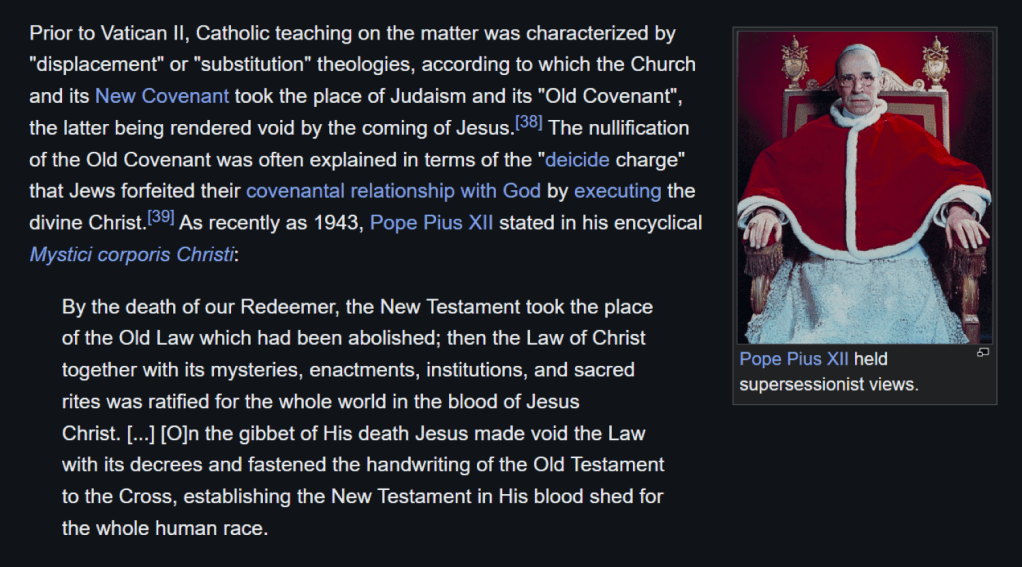
Replacement Theology
The “Religion of Christianity” sees itself as “The Replacement” for “The Hebrew People” we read about who are called “MY PEOPLE”:
- “And the LORD said, I have surely seen the affliction of my people which are in Egypt…” (Exodus 3:7)
- “And I will take you to me for a people, and I will be to you a God…” (Exodus 6:7)
- “And I will walk among you, and will be your God, and ye shall be my people.” (Leviticus 26:12)
- “And I will dwell among the children of Israel, and will not forsake my people, Israel.” (I Kings 6:13)
“Nicene Christianity” was established during the 326 A.D. Council of Nicaea. By knowing about this council, we can resolve that the Jewish Sect (“The Way”) was being attacked by Rome. They wanted to detach the Believing Gentiles from the Believing Jews and unify all religion under the authority of the Roman government, which they achieved about 50 years later, when “Nicene Christianity” became the one-world-religion of the Roman Empire.
This Council replaced the Jewish Passover with Easter. Sunday Worship had already replaced the Jewish Sabbath, and Constantine’s letter to the bishops not in attendance summarizes the absolute break from the Jews:
“Replacement Theology” appears to have been created in Antioch, Syria sometime around 100 A.D. by Ignatius of Antioch. He was executed in Rome sometime around 110 A.D. and his writings testify that he taught it.
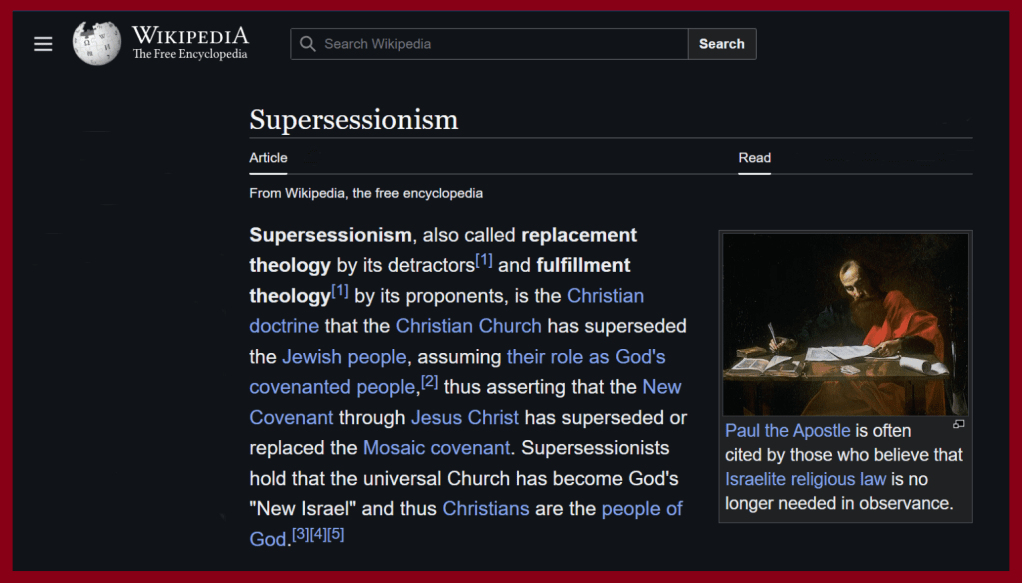
He contrasts “Judaism” with “Christianity” (Magnesians 10.3), treating them as mutually exclusive systems—an innovation not found in Paul’s letters, where Torah and grace are in tension but not severed.
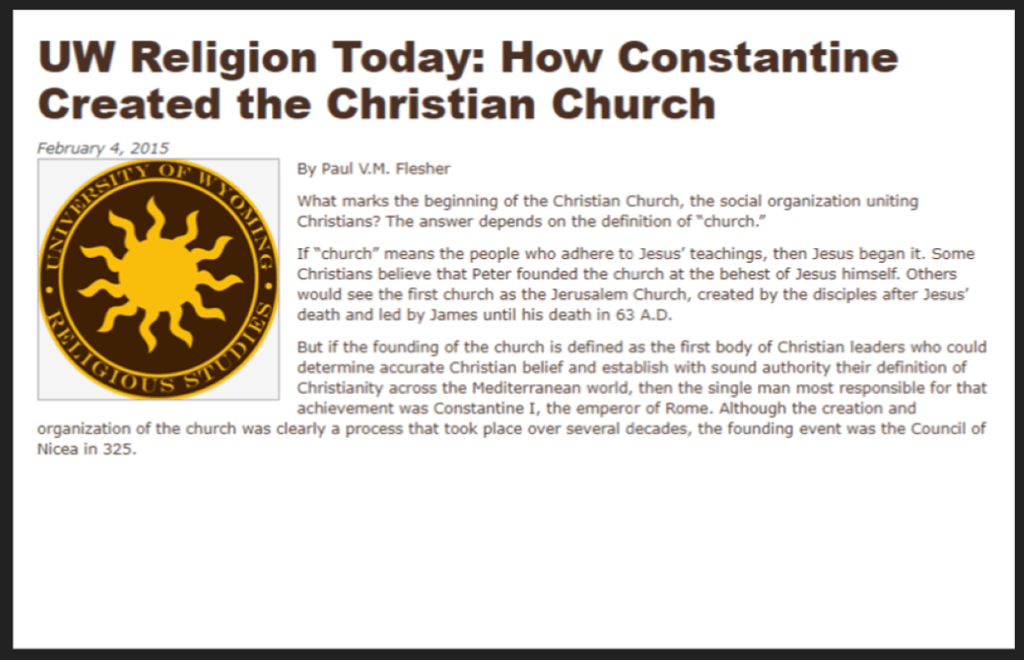
The Religion of Christianity was unified in 326 A.D. under the direction of Emperor Constantine at the Council of Nicaea.
Ignatius’s Departure:
- In his Letter to the Magnesians, Ignatius writes:
“It is absurd to profess Christ Jesus, and to Judaize. For Christianity did not embrace Judaism, but Judaism Christianity, that so every tongue which believes might be gathered together to God.” (Magnesians, Chapter 10)
Ignatius is clearly detaching from the Apostolic Way—a Torah-rooted sect of Judaism—and laying groundwork for a stand-alone religion that redefines identity, worship, and authority.
- He also states:
“If we still live according to Jewish law, we acknowledge that we have not received grace.” (Magnesians, Chapter 8.1)
This line reinforces his supersessionist stance: Ignatius views Torah observance as incompatible with the grace revealed in Christ. It’s not just a cultural shift—it’s a theological rupture. He’s declaring that continued Jewish practice signals a failure to grasp the new covenant.
- He condemns Sabbath observance and promotes Sunday worship:
“Let us no longer keep the Sabbath, but let us keep the Lord’s Day, on which our life arose through Him.” (Magnesians, 9)
This is a pivotal moment in his theological pivot. He’s not just suggesting a new day of worship—he’s redefining sacred time. The Sabbath, rooted in creation and covenant, is being replaced by Sunday, tied to resurrection and ecclesial identity. It’s a liturgical shift that signals a deeper supersessionist logic: the old rhythms of Torah are being overwritten by the new rhythms of Church.
This quote, alongside his condemnation of Judaizing and Torah observance, shows Ignatius actively constructing a new religious calendar—one that breaks from the Apostolic Way.
Ignatius has clearly detached from the Apostolic Way—a Torah-rooted sect of Judaism—and established his own stand-alone religion that redefined identity, worship, and authority.
Why this proves detachment:
- Ignatius explicitly rejects Torah observance, which was central to the Apostolic Way.
- He promotes supersessionism—the idea that Christianity replaces Judaism, rather than fulfills it.
- He redefines the faith not as a sect within Judaism, but as a stand-alone religion, severed from its Hebraic roots.
This is a substantially proven detachment. Ignatius didn’t just drift from “The Way”—he repudiated it and established a new religion.
We will begin to look for proof-texts by reading Acts 21:17-25 to see if this passage gives us any indication that “The Believing Jews” converted to Christianity, and renounced Torah, or remained Torah Compliant Jews.
____________________________________________


Leave a Reply