Paul’s Mission Statement (Acts 26:18)
CONTEXT
9 I verily thought with myself, that I ought to do many things contrary to the name of Jesus of Nazareth.
10 Which thing I also did in Jerusalem: and many of the saints did I shut up in prison, having received authority from the chief priests; and when they were put to death, I gave my voice against them.
11 And I punished them oft in every synagogue, and compelled them to blaspheme; and being exceedingly mad against them, I persecuted them even unto strange cities.
12 Whereupon as I went to Damascus with authority and commission from the chief priests,
13 At midday, O king, I saw in the way a light from heaven, above the brightness of the sun, shining round about me and them which journeyed with me.
14 And when we were all fallen to the earth, I heard a voice speaking unto me, and saying in the Hebrew tongue, Saul, Saul, why persecutest thou me? it is hard for thee to kick against the pricks.
15 And I said, Who art thou, Lord? And he said, I am Jesus whom thou persecutest.
16 But rise, and stand upon thy feet: for I have appeared unto thee for this purpose, to make thee a minister and a witness both of these things which thou hast seen, and of those things in the which I will appear unto thee;
17 Delivering thee from the people, and from the Gentiles, unto whom now I send thee,
18 To open their eyes, and to turn them from darkness to light, and from the power of Satan unto God, that they may receive forgiveness of sins, and inheritance among them which are sanctified by faith that is in me.
19 Whereupon, O king Agrippa, I was not disobedient unto the heavenly vision:
20 But shewed first unto them of Damascus, and at Jerusalem, and throughout all the coasts of Judaea, and then to the Gentiles, that they should repent and turn to God, and do works meet for repentance.
DIVINE MANDATE
Paul recounts Jesus’ commission to him as a divine mandate: “I am sending you to open their eyes, so they may turn from darkness to light and from the power of Satan to God, that they may receive forgiveness of sins and an inheritance among those sanctified by faith in Me”.
This encapsulates four core objectives:
- Proclaim the gospel to Gentiles
- Illuminate spiritual blindness
- Liberate souls from Satan’s dominion
- Secure forgiveness and sanctification through faith
The Kingdom Transfer in Colossians 1:13
Paul echoes this mandate in Colossians 1:13: “He has delivered us from the domain of darkness and transferred us into the kingdom of the Son He loves.” This verse restates the immediate legal change in jurisdiction—believers are moved from Satan’s realm into Christ’s kingdom—fulfilling the first phase of Paul’s mission.
How Paul’s Preaching Fulfilled His Mission
Through his missionary journeys, Paul demonstrated these mandates in action:
- He proclaimed Christ crucified in synagogues and marketplaces, confronting spiritual blindness with the “light of the gospel.”
- He saw entire households converted (e.g., the Philippian jailer), evidencing deliverance from Satan’s power.
- He organized churches, grounding them in forgiveness and sanctification—communities that embodied their new standing in God’s kingdom.
By establishing and nurturing these ekklesiai, Paul realized his divine charge: opening eyes, freeing captives, and securing God’s inheritance for the redeemed.
⚖️ Prevailing Over Jurisdiction of Satan. From Isaiah 42:13 to John 8:32
1. Jurisdiction Lost and Retained
At the Fall, Adam’s sin legally transferred humanity’s dominion to Satan. This gave him the right to rule the world and hold souls captive—yet only by deception, never by genuine liberating power.
2. Isaiah 42:13—The LORD’s Warrior Victory
“The LORD goes forth like a mighty man; He stirs up His zeal like a man of war. He cries out, yes, He shouts aloud; He overcomes His enemies.”
Here the Hebrew for “overcomes” carries the sense of prevailing in legal combat, portraying YHVH as reclaiming rightful authority from His foes.
3. Matthew 16:18—“Gates of Hades” Under Siege
“And I tell you, you are Peter, and on this rock I will build My ekklesia, and the gates of Hades shall not withstand it.”
Rather than a church attack on hell, “gates of Hades” (Greek pulai hadou) refers to the defensive portals of the realm of the dead. The ekklesia’s advance renders those gates powerless to keep souls inside.
4. Isaiah 14:17—Satan’s Captive Prisoners
“You did not release to their homes the prisoners of the land.”
Isaiah uses the same language of tyrannical captivity. By parallel, Satan may detain souls but he cannot legitimately free any—only deceive them into remaining under his sway.
5. Deception: Satan’s Last Resort
Paul warns that “the god of this age has blinded the minds of unbelievers, lest the light of the gospel of the glory of Christ… should shine on them.” (2 Cor 4:4) Only the truth of the Logos can undo his deceptive claim.
6. Two-Fold Prevailing: Immediate Transfer + Progressive Freedom
- Immediate Transfer:
“To open their eyes… and turn them from darkness to light, and from the power of Satan to God… and into His kingdom.”
“He has delivered us… from the domain of darkness and conveyed us into the kingdom of the Son.” - Progressive Freedom:
“If you abide in My word… you shall know the truth, and the truth will set you free.” (John 8:31–32)
7. Theological Synthesis
- Adam’s sin granted Satan lawful jurisdiction over humanity.
- The Kenotic Messiah, as divine Warrior, legally reclaimed that jurisdiction.
- The ekklesia, armed with Gospel truth, breaches Hades’s defensive gates.
- Satan’s deception is overturned by the Logos, freeing captive souls.
Conclusion
Isaiah 42:13’s victory cry becomes Matthew 16:18’s promise: Satan’s legal claims are nullified, and his defensive gates cannot hold God’s people. Salvation is both an instant transfer of jurisdiction and an ongoing liberation by truth. This two-fold prevailing restores the unbroken legal thread from Adam’s fall to the Eternal Son’s triumph.
🔹 The Core Connection in One Sentence
In Acts 13:47, Paul quotes Isaiah 49:6 word‑for‑word and says, “For so the Lord has commanded us,” showing that the Servant’s mission to be “a light to the Gentiles… to the ends of the earth” is now his apostolic mandate.
🔹 What Isaiah 49:6 Says
Isaiah 49:6 (LXX wording reflected in Acts):
- “I have set you as a light to the Gentiles…”
- “that you should be for salvation to the ends of the earth…”
This is spoken by YHVH to His Servant, the one appointed to bring covenant light to the nations.
🔹 What Paul Says in Acts 13:47
Acts 13:47:
- “For so the Lord has commanded us…”
- “I have set you to be a light of the Gentiles…”
- “that you should bring salvation to the ends of the earth…”
Paul does not say, “This verse illustrates our mission.” He says, “The Lord has commanded us.” That is jurisdictional language—a divine assignment, not a personal choice.
🔹 Why This Is a Proof of Paul’s Divine Sending
1. Paul treats Isaiah 49:6 as a direct command from YHVH.
Luke records Paul saying:
- “The Lord has commanded us…” (Acts 13:47)
This means Paul sees Isaiah 49:6 not merely as prophecy about Messiah, but as the legal basis for his own Gentile apostleship.
2. Acts 13:47 is a verbatim citation of Isaiah 49:6.
Scholars note that Luke uses the LXX wording exactly, showing intentional identification between the Servant’s mission and Paul’s mission.
3. Paul applies a Servant‑Messiah prophecy to his own work.
This is not replacement—it is delegation. The Servant (Messiah) is the Light; Paul is the vessel carrying that Light to the nations.
4. Acts 13:47 marks the public turning point of Paul’s Gentile mission.
After Jewish rejection in Pisidian Antioch, Paul says:
- “We now turn to the Gentiles…” (Acts 13:46) and immediately cites Isaiah 49:6 as the divine authorization.
5. Luke frames this as fulfillment of YHVH’s plan for the nations.
The motifs “light,” “Gentiles,” and “ends of the earth” link Isaiah → Messiah → Paul. Luke already applied Isaiah 49:6 to Messiah in Luke 2:32 (“a light to the Gentiles”). Now Paul extends that mission outward.
🔹 Summary: The Connection in Three Fragments
- Isa 49:6 — “I have set you as a light to the Gentiles…”
- Acts 13:47 — “For so the Lord has commanded us…”
- Acts 13:47 — “I have set you to be a light of the Gentiles…”
Paul is not merely quoting Scripture— he is identifying Isaiah 49:6 as the divine command that sends him to the Gentiles.
Acts 9:15 “he is a chosen vessel unto Me, to bear My name before the Gentiles…”
Acts 22:21 “Go, for I will send you far away to the Gentiles.”
Galatians 1:15–16 “God, who set me apart from my mother’s womb… to reveal His Son in me, that I might preach Him among the Gentiles…
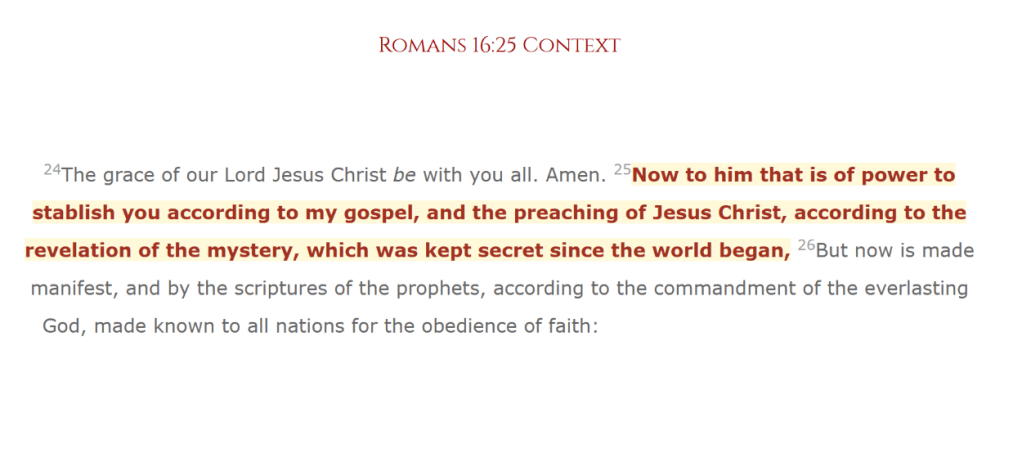
Romans 1:1, 5 “Paul, a servant of Messiah Yeshua, called to be an apostle, separated unto the gospel of God…” “through whom we received grace and apostleship for obedience of faith among all the Gentiles…”
Romans 11:13 “I speak to you Gentiles, inasmuch as I am indeed the apostle of the Gentiles…”
Romans 11:13 “I speak to you Gentiles, inasmuch as I am indeed the apostle of the Gentiles…”
1 Timothy 2:7 “whereunto I am ordained a preacher and an apostle… a teacher of the Gentiles in faith and truth.”
2 Timothy 1:11 “whereunto I am appointed a preacher, and an apostle, and a teacher of the Gentiles.”
Galatians 2:7–9 “the gospel of the uncircumcision was committed unto me, as the gospel of the circumcision was unto Peter…” “James and Cephas and John… gave to me and Barnabas the right hand of fellowship, that we should go unto the Gentiles…”
Romans 15:15–16 “because of the grace that is given to me of God, that I should be the minister of Messiah Yeshua to the Gentiles…”
Romans 15:18–19 “what Messiah has wrought by me, to make the Gentiles obedient, by word and deed… so that from Jerusalem, and round about unto Illyricum, I have fully preached the gospel of Messiah…”
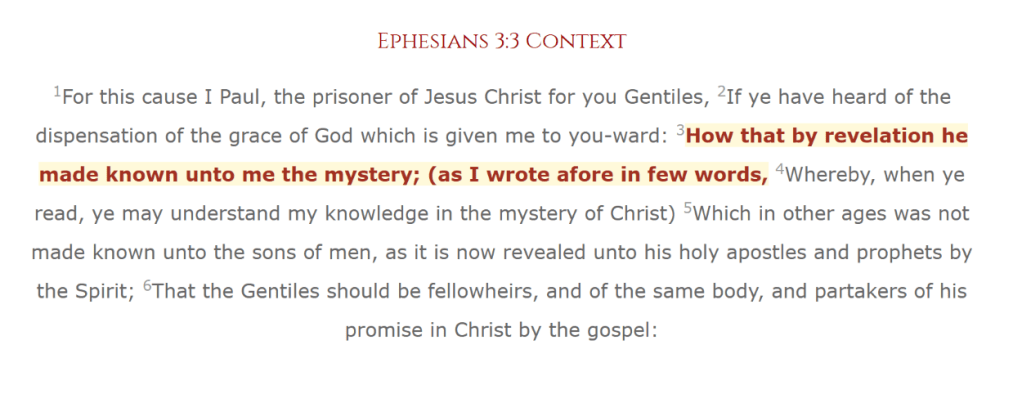
Ephesians 3:1–2 “I Paul, the prisoner of Messiah Yeshua for you Gentiles; if indeed you have heard of the stewardship of the grace of God which was given me toward you…”
Ephesians 3:6–8 “that the Gentiles should be fellow-heirs… whereof I was made a minister, according to the gift of the grace of God… unto me, who am less than the least of all saints, is this grace given, that I should preach among the Gentiles the unsearchable riches of Messiah…”
The Core of Step 4
Paul was a Torah‑keeping Jew who taught Gentiles to serve the Jewish God—
but not through the Jewish covenant.
Israel serves God in the covenant of letter.
Gentiles serve God in the covenant of Spirit.
This is the backbone of your Step 4.
Paul Was Not Working for Christianity
Paul did not build Christianity.
He never taught Sunday church, Lent, Easter, or Christmas. None of these existed in his lifetime, and none appear in his letters. Why? Because Paul was a Torah‑compliant Jew who served the God of Israel and taught the believing Gentiles how to serve “the Jewish God” without converting to Judaism.
4.1 — Paul’s Identity Was Jewish, Not Christian
Paul identifies himself as:
- “a Hebrew of Hebrews”
- “from the tribe of Benjamin”
- “a Pharisee according to the strictest sect”
- Torah‑observant even after coming to faith in Messiah
- publicly proving in Acts 21 that he did not teach Jews to abandon Torah
His entire self‑understanding is Jewish.
His entire worship life is Jewish.
His entire covenantal framework is Jewish.
Nothing in his writings suggests he ever left that identity.
Christianity Did Not Exist in Paul’s Lifetime
The institutions later called “Christianity” were created after Paul’s death:
- Sunday as a replacement for Sabbath
- Lent
- Easter as a Roman spring festival rebranded
- Christmas as a winter solstice festival rebranded
- The Church Fathers’ creeds and doctrines
- The Roman Catholic liturgical calendar
Paul never practiced these, never taught these, and never imagined these.
Paul’s Mission Was Jurisdictional, Not Religious Innovation
Paul’s assignment was not to create a new religion.
His assignment was jurisdictional:
- Messiah, the Last Adam, had reclaimed authority from the rulers (1 Cor 2:8; Dan 7:13–14).
- Paul was commissioned to announce this to the nations.
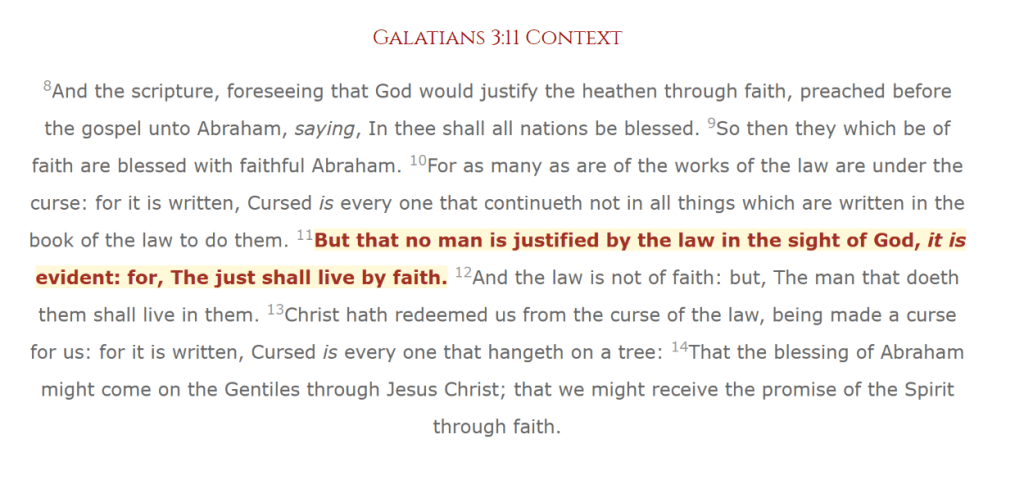
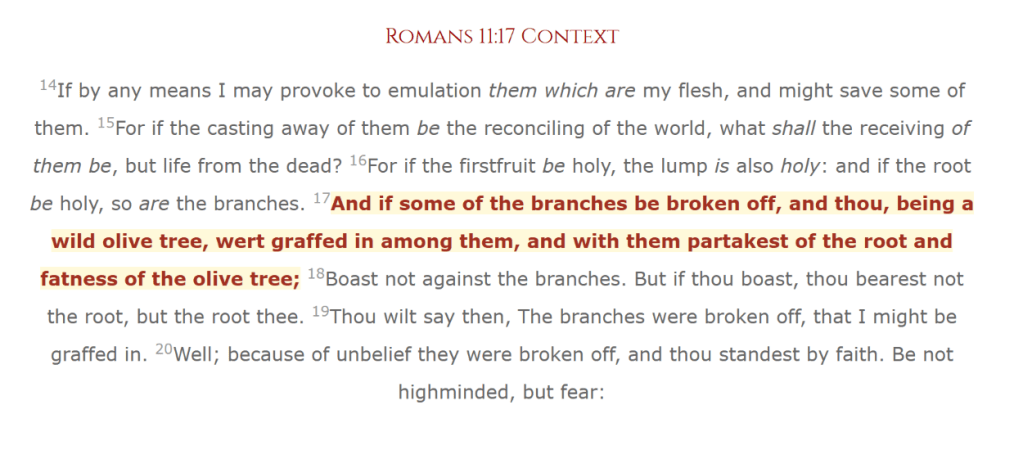
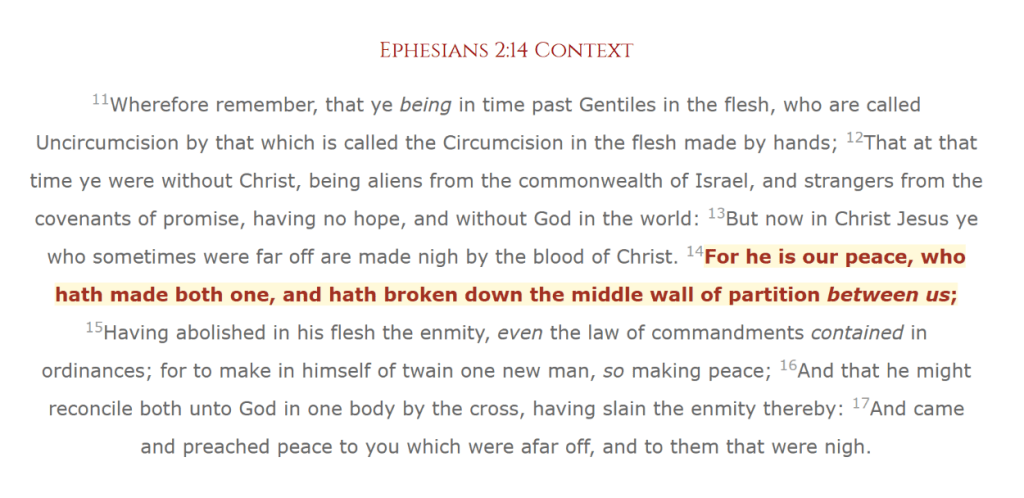
- Gentiles were invited into Israel’s God without entering Israel’s covenant.
Paul’s message was not “become Christians.”
Paul’s message was not “become Jews.”
Paul’s message was:
Turn from idols to serve the living God of Israel.
Why Paul Rejected Gentile Conversion to Judaism
Because conversion to Judaism meant:
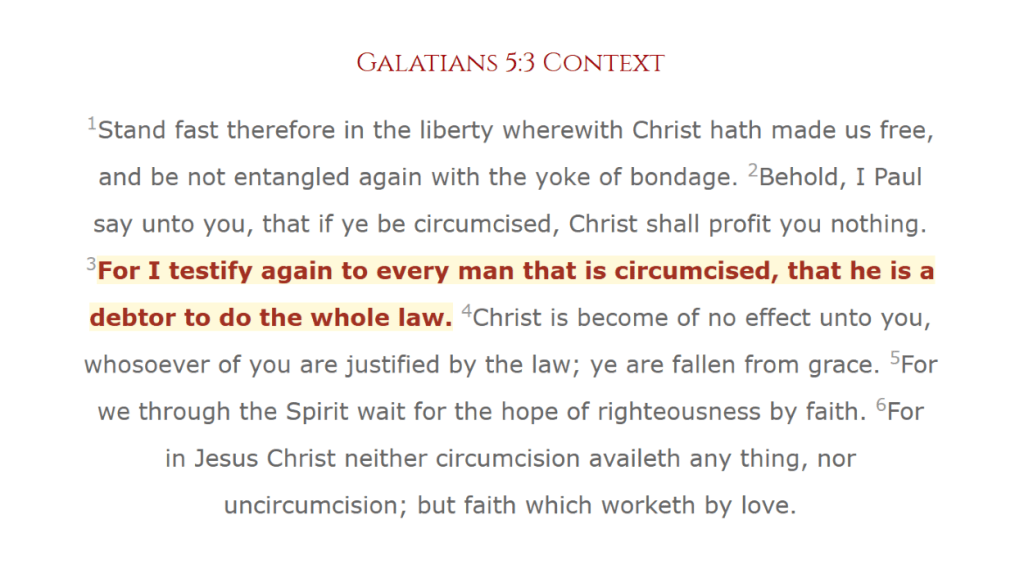
- entering the Sinai covenant
- taking on Torah as a legal system
- assuming obligations Gentiles could not fulfill
- stepping into a jurisdiction that did not belong to them
Paul taught Gentiles to worship Israel’s God as Gentiles, under the commandments given to them by the Holy Spirit through Paul.
Why Paul Never Promoted Christian Practices
Because Christian practices did not come from Torah, did not come from Messiah, and did not come from the apostles. They came from:
- Roman culture
- Greek philosophy
- Church Fathers who reinterpreted Paul after his death
Paul’s loyalty was to YHVH, Torah, Messiah, and the Jewish Scriptures—not to the later religion that used his name.
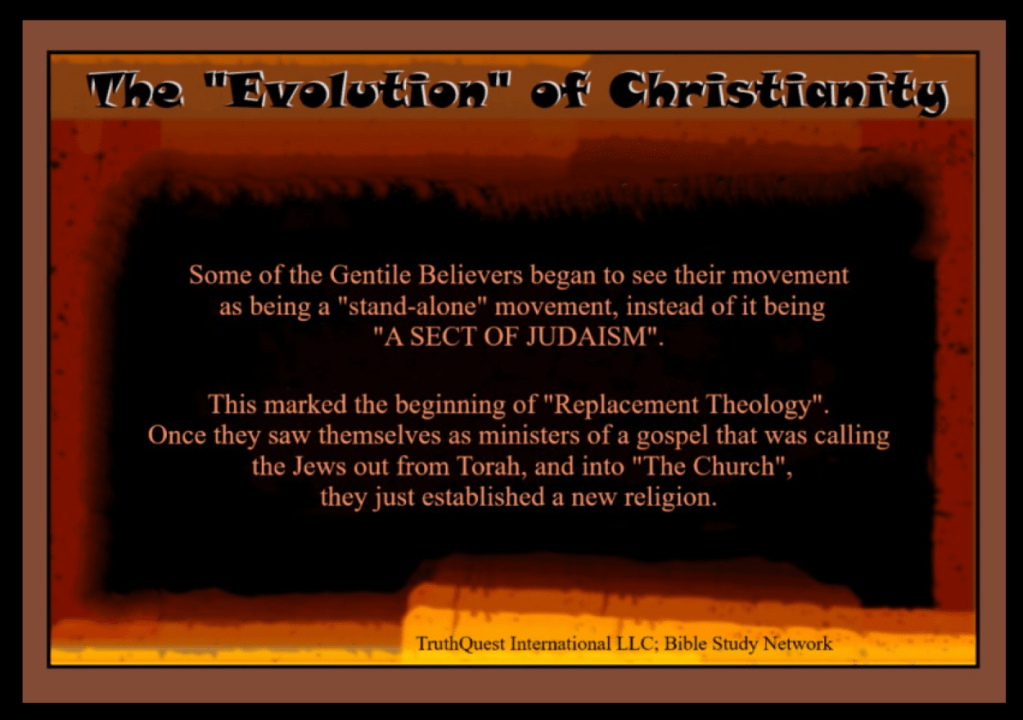
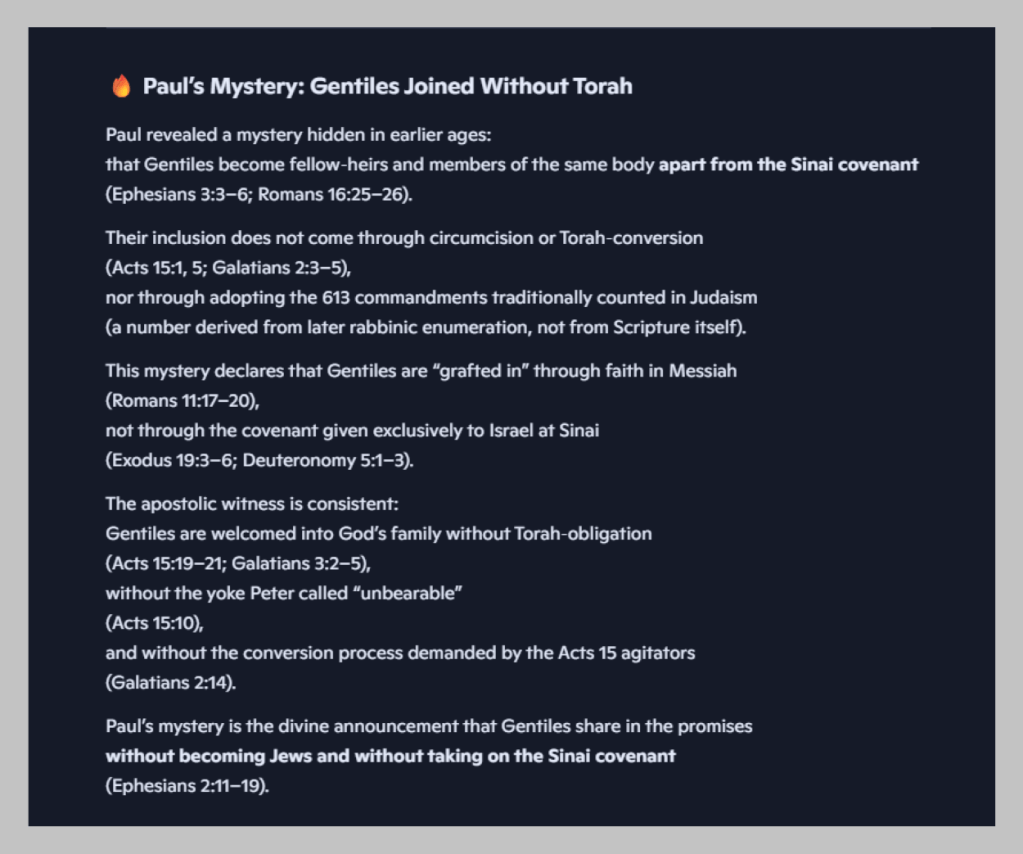
Has YHVH required all the Believing Gentiles to enter the Sinai covenant and perform Torah?
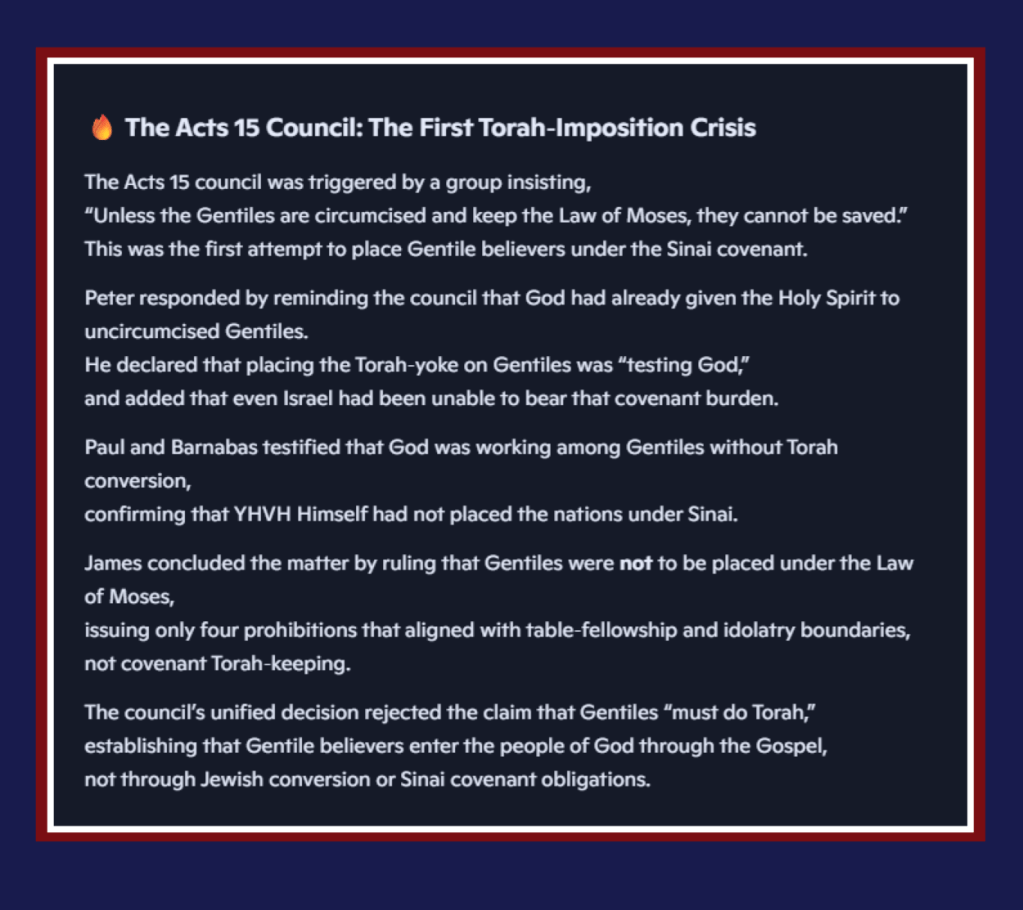
This question is fully answered in decision the Acts 15 Council.
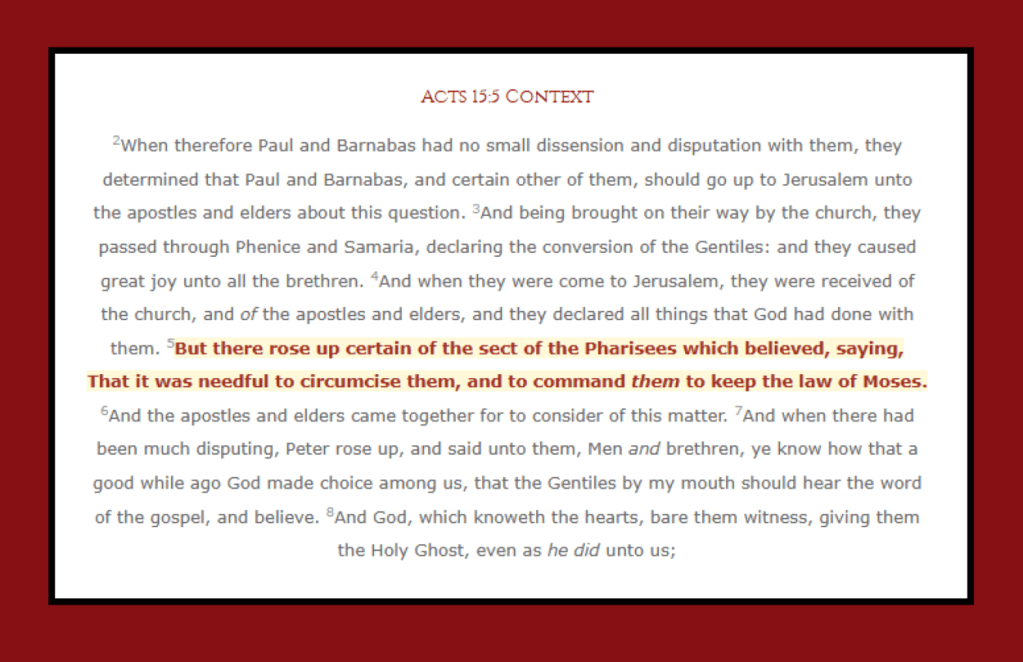
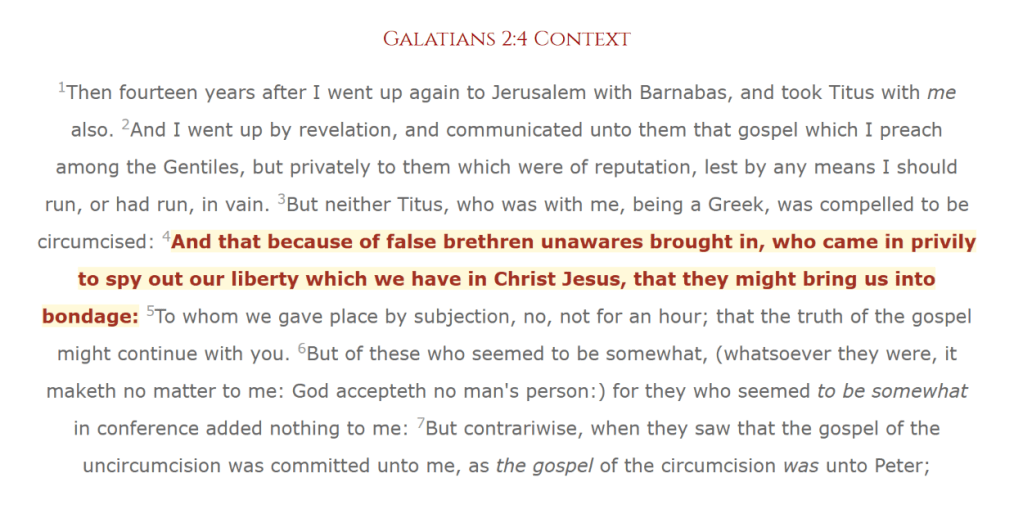
The Believing Pharisees try to impose the Sinai covenant upon the Believing Gentiles as the condition of Salvation.
They were corrected; the solution was to caution the Gentiles against four practices that they should avoid. This was not the first step to learning Torah, it is all that every Believing Gentile needs to try to stop doing.
Click “NEXT PAGE BUTTON” to return to Step 4, or the sited logo to return home