The Parable of the Sower doesn’t end with “avoiding thorns.” It ends with “abundant fruit“. This points us to what he meant when he used that expression.
Direct Divine Revelation is “The True Riches”.
Whereas “Fruit” is seen in Galatians 5:22-23.
The fruit is what “The Divine Nature” consists of, whereas the other list makes up the fallen or sin nature.
🌿 John 15 expands the Luke 8 theme:
- “Every branch in Me that does not bear fruit is taken away.”
- “Every branch that does bear fruit is pruned to bear more fruit.”
- “By this My Father is glorified, that you bear much fruit.”
- “You did not choose Me… I appointed you to go and bear fruit.”
John 15 is the jurisdictional explanation of Luke 8:
- The Father = the Owner
- Jesus = the Vine
- We = branches
- Fruit = the evidence of abiding
- Pruning = stewardship
- Abundance = the goal
This is why “bought with a price” fits so well:
**Branches don’t own the vineyard.
They serve the Vinedresser.**
Luke 8:14 — The Thorny Soil
Yeshua says that:
- cares of this world
- deceitfulness of riches
- pleasures of life
…choke the Word so it becomes unfruitful.
This is one of the many anti‑prosperity gospel verses. It shows that earthly wealth is no longer a sign of blessing — it is a spiritual hazard that suffocates the Word.
🌾 3. Galatians 6 — The Fruit Paradigm Becomes a Law
Paul ties the entire theme together:
- “Whatever a man sows, that shall he also reap.”
- “He who sows to the flesh reaps corruption.”
- “He who sows to the Spirit reaps eternal life.”
- “Do not grow weary in doing good.”
- “In due season we shall reap, if we do not faint.”
This is the jurisdictional law of sowing and reaping:
- sow to the Spirit → fruit
- sow to the flesh → corruption
- sow to the world → choking
- sow to the Vine → abundance
This is the same pattern as Luke 8, 16 and John 15.
Luke 16:11 — The “True Riches” Paradigm
Yeshua says:
“If you have not been faithful with unrighteous mammon, who will commit to your trust the true riches?”
This is explosive.
He divides all wealth into two categories:
1. Unrighteous Mammon
- earthly money
- temporary
- deceptive
- dangerous
- not “ours”
- a test, not a blessing
2. True Riches
- spiritual authority
- Direct Divine Revelation
- kingdom responsibility
- jurisdictional access
- eternal stewardship
- the Father’s treasures
🍇 1. “We Are to Bear Fruit” — The Stewardship Paradigm
Yeshua’s entire teaching on riches in Luke 8 and Luke 16 is built on one assumption:
Bearing fruit pleases the Father.
And Yeshua warns that riches choke fruitfulness (Luke 8:14). This means:
- riches are not the goal
- riches are not the reward
- riches are not the measure of blessing
They are a test of stewardship.
This fits perfectly with this page’s structure:
- “Unrighteous mammon” = temporary test
- “True riches” = eternal trust
Fruitfulness is the metric by which the Father evaluates our sanctification.
💰 2. “You Were Bought With a Price” — The Ownership Paradigm
Paul’s statement (1 Corinthians 6:20; 7:23) creates a non‑negotiable paradigm:
**We do not own ourselves.
We do not own our time. We do not own our resources. We do not own our money.**
We are:
- purchased
- redeemed
- transferred
- owned
- commissioned
- entrusted
This means:
We have no ownership — only stewardship.
And stewardship is the entire point of Luke 16:11:
“If you have not been faithful with unrighteous mammon, who will commit to your trust the true riches?”
Yeshua is saying:
- Money is not yours.
- Money is not the blessing.
- Money is the test to see if you can handle the blessing.
- The blessing is true riches — Direct Divine Revelation.
As we hear, we become partakers of the Divine Nature.
🔗 How These Two Paradigms Connect
Your current page already lays out:
- the danger of riches (Luke 8:14)
- the two categories of wealth (Luke 16:11)
- the difference between mammon and true riches
Adding fruit‑bearing and stewardship completes the picture:
1. Fruit-bearing explains the purpose of true riches.
True riches produce fruit. Mammon chokes fruit.
2. Being bought with a price explains the posture of true riches.
Stewards don’t accumulate. Stewards manage. Stewards obey. Stewards produce fruit for the Owner.
These two truths make this True Riches Paradigm airtight.
⭐ How This Fits the Page
Stewardship, Fruitfulness and True Riches
Yeshua teaches that material riches choke fruitfulness (Luke 8:14), and Paul teaches that we are “bought with a price” (1 Cor 6:20). Together, these create a paradigm:
- We do not own ourselves.
- We do not own our resources.
- We are stewards, not owners.
- Our purpose humbly serve the Father and allow Him to work through us.
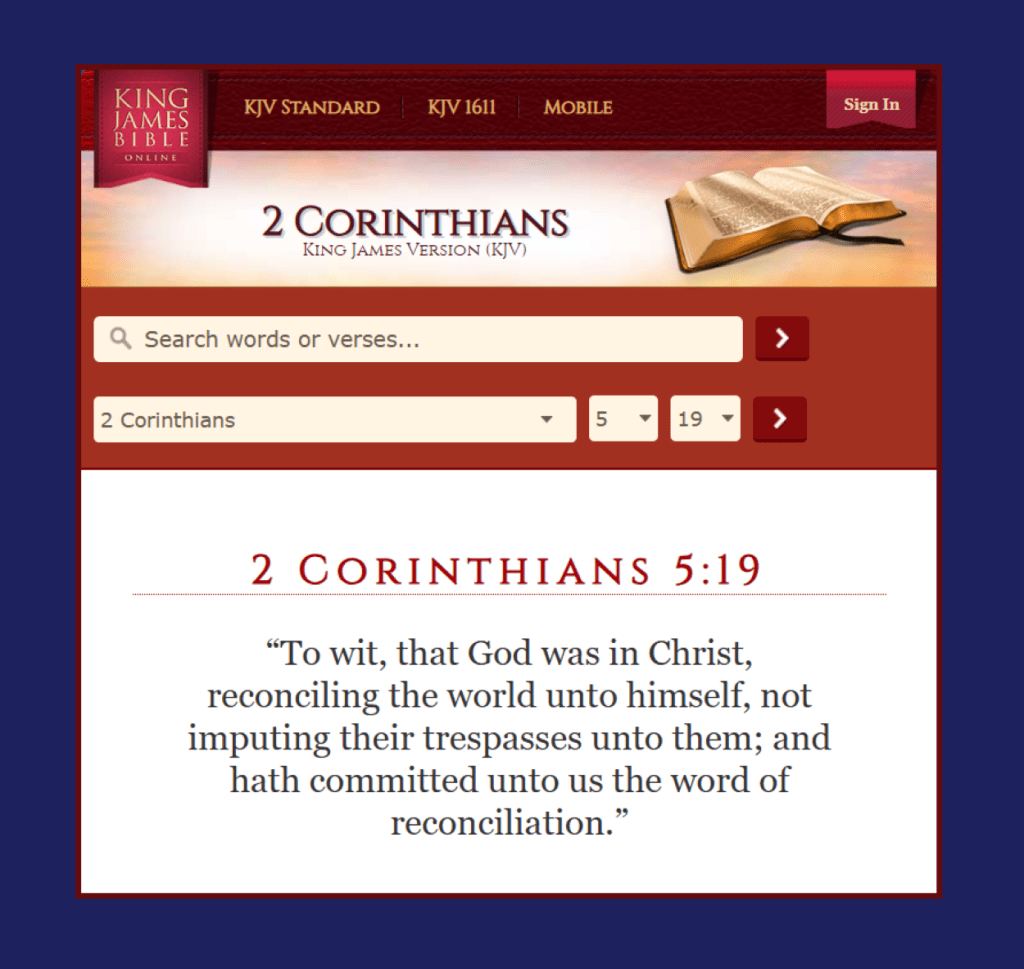
The Messiah is our example. Notice that YHVH worked through him, he didn’t do the work for YHVH.
🌿 1. John 5:19 — “The Son can do nothing of Himself.”
Jesus says:
“The Son can do nothing of Himself, but only what He sees the Father do.”
This is the clearest statement of the paradigm:
- Messiah does not act independently.
- Messiah imitates the Father.
- Messiah is the model for how we imitate Him.
This is the foundation of discipleship.
🌿 2. John 14:10 — “The Father who dwells in Me does the works.”
Jesus explains:
“The words I speak are not from Myself, but the Father who dwells in Me does the works.”
Notice the pattern:
- Messiah speaks.
- Messiah acts.
- The Father empowers.
This is exactly how stewardship works in the “True Riches” paradigm.
🌿 3. 1 Peter 2:21 — “Messiah left us an example.”
Peter writes:
“Messiah suffered for us, leaving us an example, that you should follow in His steps.”
This is explicit:
- Messiah is the pattern.
- We walk the same path.
- We imitate His obedience, His faithfulness, His fruitfulness.
This verse is perfect for your conclusion.
🌿 4. 1 John 2:6 — “Walk as He walked.”
John says:
“He who says he abides in Him ought himself also to walk just as He walked.”
This ties directly into:
- John 15 (abiding)
- Luke 8 (fruit)
- Luke 16 (true riches)
Messiah walked in perfect stewardship. We are called to do the same.
🌿 5. Acts 10:38 — “God anointed Jesus… who went about doing good.”
Peter summarizes Messiah’s ministry:
“God anointed Jesus of Nazareth with the Holy Spirit and with power, who went about doing good… for God was with Him.”
This is the paradigm in one sentence:
- God anointed Him.
- God empowered Him.
- Messiah acted.
- Messiah bore fruit.
- Messiah fulfilled His stewardship.
This is the model for us.
 TruthQuest International LLC; Bible Study Network
Leave a comment