There is one God, who has both: “His Word” and “His Spirit”. (John 1:1-3:34) What we must comprehend is that “The Word of God” moved into the human body created for him and became a real human being devoid of any divinity except memory. “The Last Adam” was conceived, and his mission was to cause Satan to forfeit the “jurisdiction” that the first Adam lost. He is called: “The Son of Man” in Daniel 7:13-14.
(Study: “Kenosis”)
1. The Original Jewish Framework
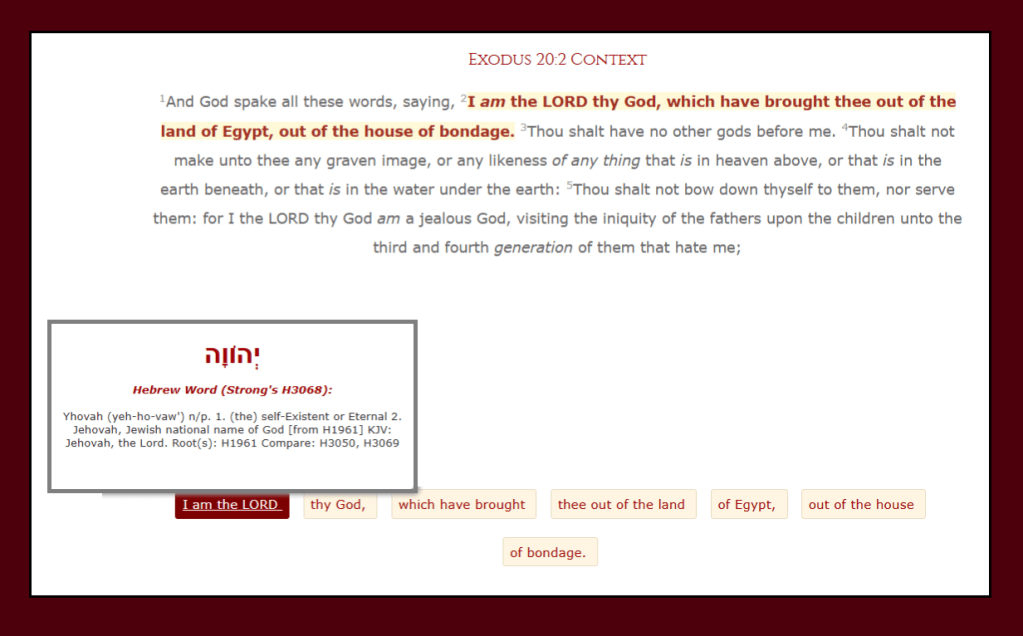
In the Hebrew Scriptures and in Second Temple Judaism:
- YHVH is the one supreme deity.
- His Word (Hebrew: davar) and His Spirit (Hebrew: ruach) are expressions of His will and presence.
- They are not separate divine persons.
- There is no concept of “God the Son,” “God the Spirit,” or a tri‑personal Godhead.
This was the worldview of the prophets, the apostles, and the earliest followers of Jesus.
2. The Shift Begins: Elevating Jesus’ Status
The Trinity‑Formation Paradigm: How a New God‑Concept Emerged in Early Christianity
Throughout Christian history, different groups have interpreted Scripture through different paradigms — foundational assumptions that shape how every passage is read. One of the most influential is the Trinitarian Paradigm, which teaches that God exists as three co‑equal, co‑eternal “persons”: the Father, the Son, and the Holy Spirit.
This paradigm did not appear in the earliest Jewish context of the apostles. Instead, it developed gradually over several centuries as Christian thinkers attempted to explain the identity of Jesus using Greek philosophical categories.
Below is a historical overview of how this paradigm formed and which biblical texts were used to support it.
As Christianity spread into the Greek‑speaking world, some teachers began interpreting Jesus not only as Messiah but as a divine being. This shift was influenced by:
- Greek metaphysics
- Logos philosophy
- The desire to explain Jesus’ miracles and resurrection
- The need to define Christian identity over against Judaism
By the early 300s, debates about Jesus’ nature had become intense and widespread.
3. The Council of Nicaea (325 A.D.)
The first major turning point came at the Council of Nicaea, where bishops debated whether Jesus was:
- a created being (Arius), or
- fully divine and equal with the Father (Athanasius)
The council ultimately declared Jesus to be:
- “of the same substance” (homoousios) with the Father
- eternal, not created
- the divine founder of the Christian faith
This was the moment when Jesus was formally defined as “God the Son.”
This was not the end of the debate — it was the beginning of a long doctrinal development.
4. The Council of Constantinople (381 A.D.)
This council expanded the Nicene Creed and elevated the Holy Spirit to full divine status. This is where the idea of three co‑equal persons began to solidify.
5. The Council of Chalcedon (451 A.D.)
The final major step was the Chalcedonian Definition, which declared Jesus to be:
- fully God
- fully man
- united in two natures without confusion or division
This completed the doctrinal structure that most Christian traditions now call the Trinity.
6. The Key Texts Used to Support This Paradigm
Early theologians used several passages to argue for Jesus’ divinity. Here are the most influential:
Isaiah 9:6 — “Everlasting Father”
This verse was interpreted by some early Christians as evidence that:
- the Messiah shares divine titles
- the Messiah participates in the identity of God
- Jesus could therefore be called “Father” in a divine sense
Jewish interpreters, however, understood these titles differently, often as throne names or royal designations.
John 20:28 — “My Lord and my God!”
Thomas’ exclamation became a central proof‑text for those arguing that Jesus is divine. Different traditions interpret this differently:
- Some see it as a direct confession of Jesus’ deity.
- Others see it as a recognition of Jesus as God’s authorized representative.
- Some view it as a statement of astonishment directed toward God, not Jesus.
The interpretation depends heavily on the paradigm one brings to the text.
John 14:9 — “If you have seen Me, you have seen the Father.”
This passage was used to argue:
- Jesus reveals the Father perfectly
- Jesus shares the Father’s nature
- Jesus and the Father are united in a unique way
Other interpreters understand this as:
- functional unity
- representational authority
- the Father working through the Son
Again, the paradigm determines the conclusion.
7. Why This Paradigm Matters
The Trinity‑Formation Paradigm became the dominant interpretive lens for most Christian traditions. It shapes how millions of believers read:
- the Gospels
- the letters of Paul
- Old Testament prophecies
- the identity of Jesus
- the nature of salvation
But it also creates tension with:
- Jewish monotheism
- the original context of the Hebrew Scriptures
- the earliest apostolic preaching
- passages where Jesus distinguishes Himself from God
- the jurisdictional storyline of Scripture
Different paradigms produce different interpretations — and sometimes contradictory ones.
Why Some Groups Reject This Paradigm
Many groups — ancient and modern — reject the Trinity because they believe:
- it is not taught in the Hebrew Scriptures
- it was developed centuries after Jesus
- it relies on Greek philosophical categories
- it conflicts with the biblical portrayal of YHVH
- it obscures the role of the Messiah as God’s appointed human king
These groups often return to the original Jewish framework:
- One God (YHVH)
- His Word and His Spirit as expressions of His will
- The Messiah as a human being anointed with divine authority
This is a different paradigm — and it produces different interpretations of the same texts.
 TruthQuest International LLC; Bible Study Network
Leave a comment