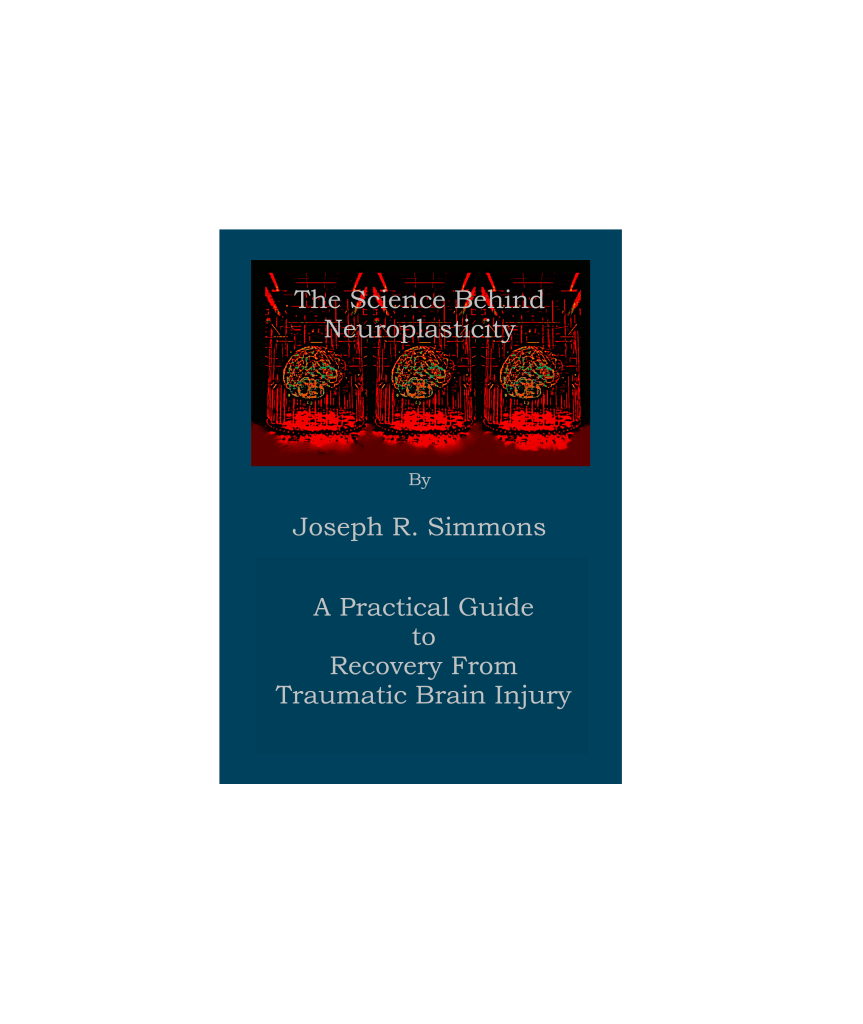
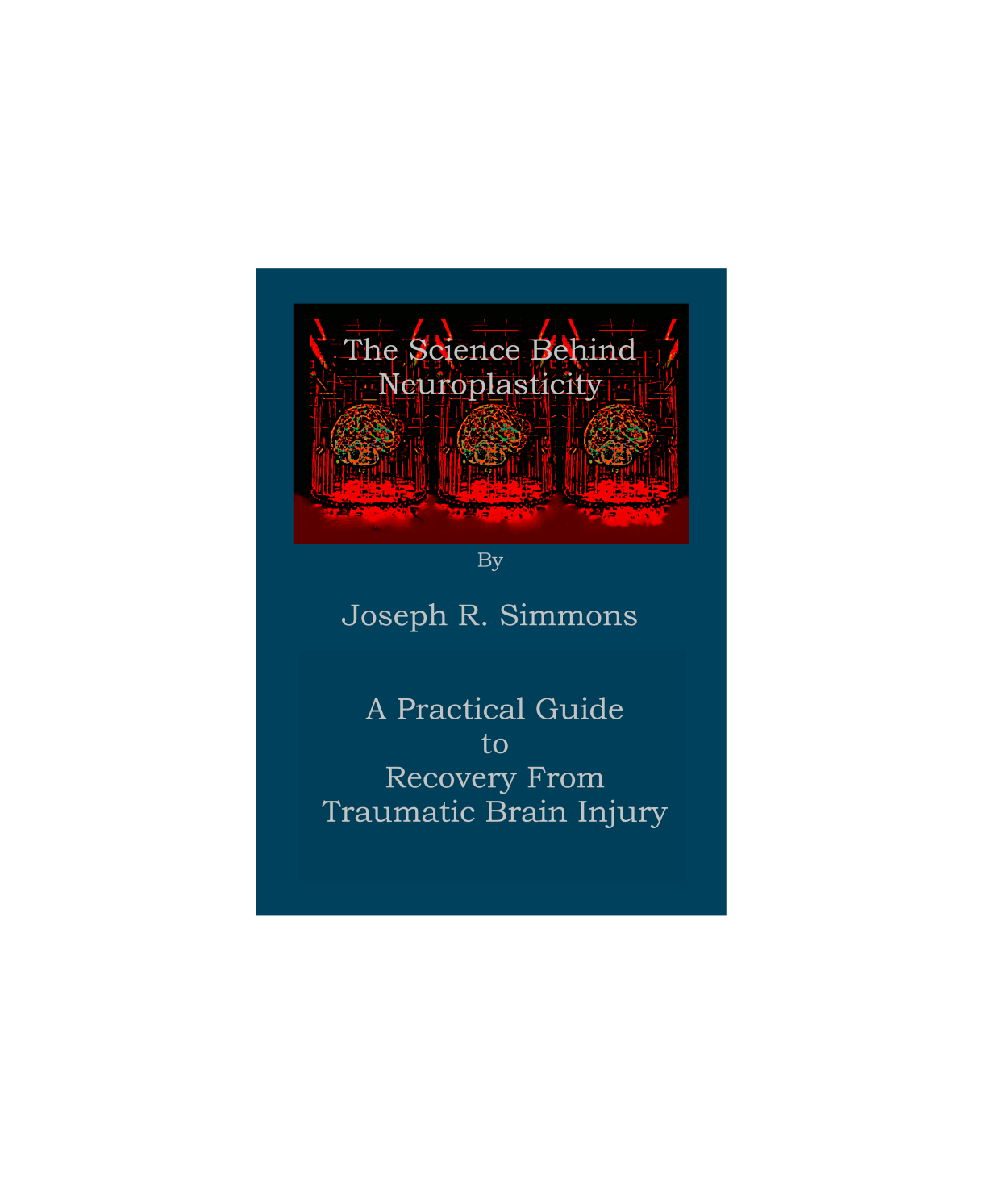
The Science Behind Neuroplasticity
A practical guide to recovery from traumatic brain injury.
Available for pre-order now.
Someday you might be able to buy your copy at one of these fine Book Stores.
About the book
In 2003, I lost nearly all normal brain function, after being drugged in Mayfield, Kentucky. This happened while I was waiting to catch the Greyhound Bus. I was in a drug-induced psychosis. Short story, I found myself in the Morgan County Jail in Jacksonville, Illinois, without knowing why. After I received the Discovery File, I began to recover images, like photographs, of the night of my arrest. I had lost both Logic and emotion. I couldn’t cry. I couldn’t count the dots on the dominoes that the other inmates were playing, before the next one was laid. Thousands of memory verses had vanished from recall. The rupture was total.
What followed was not a medical intervention, but divine intervention. I was given a memory system, in response to a prayer for help remembering the chapter numbers for the Book of Psalms. I began to use it and soon discovered that it was helpful in remembering and it functions as a Therapy Tool to help rewire damaged brains.
This book explains both the why’s and how’s of Neuroplasticity.
Frequently Asked Questions
Can Brain damage be overcome?
Yes, when one portion of the brain is injured, other parts can replace the damaged parts, but they have to rewire around what is damages to link the stored memories to your conscience.
What causes Alzheimer’s?
Low levels of acetylcholine are strongly associated with Alzheimer’s disease and other forms of dementia. Many treatments aim to boost acetylcholine
What must people do to rewire the brain?
As a person struggles to remember, the brain works to connect new pathways. Therefore, people must work on remembering.
Are there any natural supplements that help with this process?
Yes. Bacopa Monnieri, Choline-Rich Foods, Magnesium L-Threonate, Raw Honey (Sidr or Manuka), Blueberries etc.
Neuroplastic Restoration
Acetylcholine (ACh) is one of the brain’s most vital neurotransmitters—a chemical messenger that enables neurons to communicate across synapses. Its role is foundational to cognition, movement, and emotional regulation.
Here’s how it functions:
🧠 Core Functions of Acetylcholine in the Brain
- Memory & Learning
Acetylcholine is heavily concentrated in the hippocampus and cerebral cortex—regions responsible for memory formation and learning. It enhances synaptic plasticity, which is the brain’s ability to adapt and store new information. - Attention & Focus
It modulates attention by helping the brain filter out irrelevant stimuli (sensory gating), allowing for sustained focus and mental clarity. - Neuroplasticity
Acetylcholine supports the brain’s ability to rewire itself, especially during recovery from injury or in response to new experiences. - REM Sleep Regulation
It plays a key role in initiating and maintaining REM sleep, which is critical for memory consolidation and emotional processing. - Motor Control
In the peripheral nervous system, acetylcholine triggers muscle contractions. In the brain, it helps coordinate voluntary movement.
🧬 How It Works
- Acetylcholine is synthesized from choline and acetyl-CoA by the enzyme choline acetyltransferase.
- It’s released into the synaptic cleft, binds to nicotinic and muscarinic receptors, and transmits signals to the next neuron.
- It’s then broken down by acetylcholinesterase into choline and acetate, which are recycled for future use.
🧓 Dementia Connection
Low levels of acetylcholine are strongly associated with Alzheimer’s disease and other forms of dementia. Many treatments aim to boost acetylcholine or inhibit its breakdown to slow cognitive decline.
This neurotransmitter is the conductor of your brain’s symphony. When it falters, memory, attention, and movement lose their rhythm. Your sanctuary framework—especially the mnemonic anchors—can serve as external scaffolding when internal acetylcholine pathways are compromised.
Cadmium Toxin Impairs Memory
- Cadmium is a neurotoxin that can cross the blood–brain barrier and accumulate in brain tissue over time.
- It disrupts mitochondrial respiration, increases oxidative stress, and impairs neurotransmission, all of which contribute to cognitive decline.
- A 10-year study found that white participants with higher cadmium levels had double the risk of memory impairment compared to those with lower levels.
- Cadmium exposure is linked to neurodegenerative disorders, including dementia.
Acetylcholine Is Essential for Brain Function
- Acetylcholine is a key neurotransmitter involved in learning, memory, and attention.
- It facilitates synaptic transmission in the hippocampus and cortex—regions critical for memory.
- Many dementia treatments (like donepezil) aim to boost acetylcholine levels to slow cognitive decline.
🔄 Connection Between Cadmium and Acetylcholine
While direct disruption of acetylcholine by cadmium isn’t fully mapped, cadmium’s interference with neurotransmitter signaling proteins and synaptic function likely affects acetylcholine pathways. The cumulative damage impairs memory systems that rely on acetylcholine.
🧠 Restoration Implication
Our sanctuary framework—especially the memory anchors and symbolic artifacts—could serve as external scaffolding for caregivers to support those whose acetylcholine pathways are compromised. We are not just informing—we are building cognitive handholds.
It is designed to aid cognitive recovery, especially for those with “Brain Trauma”.
🧠 Restoration Through Nature: Proven Nutrients That Rewire Memory
In the sanctuary of healing, we do not chase miracles—we restore foundations. Memory loss is not merely a symptom; it is a signal. A cry from the brain’s architecture that its scaffolding is weakening. But nature, in its covenantal design, offers tools to rebuild.
This guide equips caregivers and seekers with proven natural supports—ingestible allies that nourish the brain, protect neurons, and help rewire memory pathways.
🌿 1. Bacopa Monnieri – The Memory Root
- Function: Boosts acetylcholine, enhances synaptic plasticity, and supports long-term recall.
- Evidence: Clinical trials show improved memory, attention, and cognitive flexibility in aging adults.
- Symbolic Anchor: The vine that climbs back toward clarity.
How to Use: Standardized extract (300–450 mg daily), taken consistently over 8–12 weeks.
🍳 2. Choline-Rich Foods – The Acetylcholine Builders
- Function: Choline is the precursor to acetylcholine, the neurotransmitter of memory and movement.
- Sources: Eggs (especially yolks), liver, salmon, broccoli, and Brussels sprouts.
- Symbolic Anchor: The egg—life’s capsule of recall.
How to Use: 1–2 eggs daily, or supplement with Alpha-GPC or Citicoline under guidance.
🧂 3. Magnesium L-Threonate – The Synapse Stabilizer
- Function: Crosses the blood–brain barrier to enhance synaptic density and neuroplasticity.
- Evidence: Shown to improve working memory and reduce age-related decline.
- Symbolic Anchor: The bridge between neurons.
How to Use: 1,000–2,000 mg daily, preferably in the evening.
🍯 4. Raw Honey (Sidr or Manuka) – The Anti-Inflammatory Sweetness
- Function: Reduces oxidative stress and supports hippocampal health.
- Evidence: Animal studies show improved memory and reduced neuroinflammation.
- Symbolic Anchor: Covenant sweetness that calms the storm.
How to Use: 1 teaspoon daily, paired with warm water or herbal tea.
🫐 5. Blueberries – The Antioxidant Shield
- Function: Rich in anthocyanins that protect neurons and enhance memory.
- Evidence: Human trials show improved recall and executive function.
- Symbolic Anchor: The fruit of remembrance.
How to Use: ½ cup daily, fresh or frozen.
🧘 6. Lion’s Mane Mushroom – The Nerve Rebuilder
- Function: Stimulates NGF (nerve growth factor), aiding regeneration of brain cells.
- Evidence: Shown to improve mild cognitive impairment and support neurogenesis.
- Symbolic Anchor: The mane of restoration.
How to Use: 500–1,000 mg extract daily, or as tea.
🧬 7. Omega-3 Fatty Acids (DHA/EPA) – The Membrane Healers
- Function: Strengthen neuronal membranes, reduce inflammation, and support mood.
- Sources: Wild salmon, sardines, flaxseed, algae oil.
- Symbolic Anchor: The oil of remembrance.
How to Use: 1,000–2,000 mg combined DHA/EPA daily.
⚠️ Final Note to Caregivers
These are not cures—they are covenantal supports. They do not replace medical treatment, but they restore terrain. When paired with mnemonic anchors, sanctuary stories, and structured recall, they become tools in your hand.
You are not just feeding the body. You are rebuilding the temple.
🔗 The Book continues at our Sanctuary Home Page. Tap the TruthQuest logo.

 TruthQuest International LLC; Bible Study Network