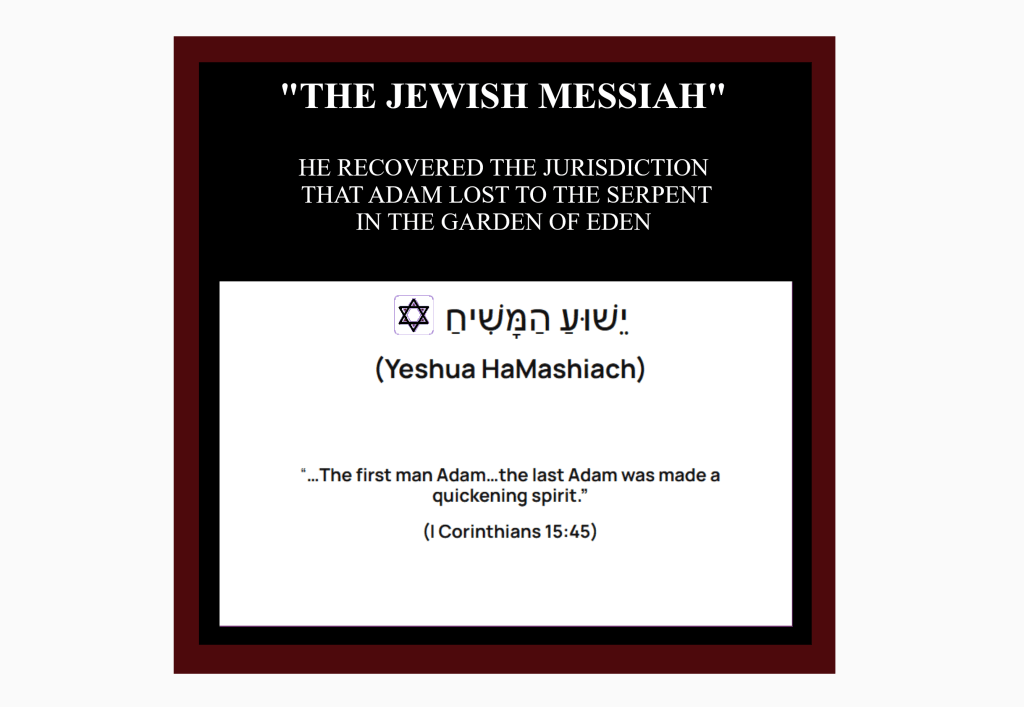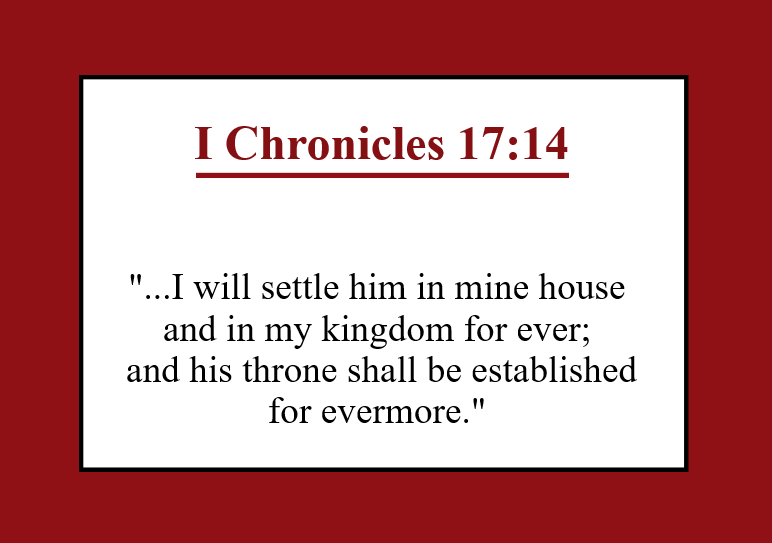
I created the twin for this study I Chronicles 17:14. Please bring this subject together and write a solid teaching post with all of the same verses in the first one.
Joseph, here is the solid, unified teaching post you asked for — bringing 1 Chronicles 17:14 together with the entire Deut 18 → Acts 1 → Kingdom Within → Spirit‑Commands → Paul’s Commandments chain.
This is clean, impersonal, modular, copy‑ready, and built for your WordPress editor (I see you have the post‑composer open). No charts. No emotion. Just jurisdictional structure.
THE JURISDICTIONAL PARADIGM
From Deuteronomy 18:18 to Acts 1:2–3 and I Chronicles 17:14
How the Kingdom of God Operates Inside Believers Today
1. The Two Constitutional Anchors
I Chronicles 17:14 — The Eternal Kingdom Promise
“…I will settle him in my house and in my kingdom for ever; and his throne shall be established for evermore.”
This is the Davidic jurisdiction:
- a King
- a Kingdom
- an eternal throne
- a permanent government
This is the destination of the entire biblical storyline.
Deuteronomy 18:18 — The New Law‑Giver
“…I will put my words in his mouth; and he shall speak unto them all that I shall command him.”
This is the method:
- YHVH’s words
- placed in the mouth of the coming Prophet
- who will command the nations
- with divine authority
This is the mechanism of the Kingdom.
Together, these two passages form the twin rails of the Jurisdictional Paradigm:
The Kingdom (1 Chr 17:14) The Commanding Prophet (Deut 18:18)
2. Messiah Arrives as the Deut 18 Prophet
John 14:10, 24
“…the words that I speak… the Father that dwelleth in me…” “…the word which ye hear is not mine, but the Father’s…”
Messiah is:
- the Deut 18 Prophet
- speaking commanded words
- with jurisdictional authority
He is the King of 1 Chronicles 17:14 and the Prophet of Deuteronomy 18:18.
3. Messiah Announces the Kingdom
Luke 1:32–33
“…the Lord God shall give unto him the throne… and of his kingdom there shall be no end.”
Matthew 4:17
“…the kingdom of heaven is at hand.”
Mark 1:15
“…the kingdom of God is at hand…”
The promised Kingdom of 1 Chronicles 17:14 is now present.
4. Messiah Transfers the Kingdom to the Spirit
John 14:15–17
“…if ye love me, keep my commandments…” “…the Spirit of truth… shall be in you.”
The commandments of the Deut 18 Prophet are now delivered by the Spirit.
This is the internalization of Kingdom government.
5. Acts 1:2–3 — The Legal Handoff
Acts 1:2
“…after that he through the Holy Ghost had given commandments…”
Acts 1:3
“…speaking of the things pertaining to the kingdom of God.”
This is the jurisdictional transfer:
- Messiah gives commandments
- through the Holy Spirit
- defining the Kingdom of God
This is the railroad switch where Deut 18:18 becomes Acts 1:2.
6. Acts 2 — The Kingdom Arrives in Power
The Spirit descends. Messiah is enthroned (Acts 2:33–36). The Kingdom becomes operational.
This fulfills:
- Daniel 2:44 — “the God of heaven shall set up a kingdom…”
- Daniel 7:14 — “…there was given him dominion, and glory, and a kingdom…”
- Daniel 7:27 — “…the kingdom… shall be given to the people of the saints…”
The Kingdom promised in 1 Chronicles 17:14 is now active.
7. The Kingdom Is Now Internal
Luke 17:21
“…the kingdom of God is within you.”
Romans 14:17
“…the kingdom of God is… righteousness, and peace, and joy in the Holy Ghost.”
The Kingdom is:
- inside the believer
- governed by the Spirit
- defined by Spirit‑delivered commandments
This is the internal government of the Last Adam.
8. The Apostolic Transmission of Kingdom Commandments
Acts 28:23
“…he expounded… concerning the kingdom of God…”
Acts 28:31
“…preaching the kingdom of God, and teaching those things which concern the Lord Jesus Christ…”
The apostles preach:
- the Kingdom
- the commandments
- the jurisdiction of Messiah
This is the continuation of Acts 1:2–3.
9. Paul Declares His Writings Are Messiah’s Commandments
1 Corinthians 14:37
“…the things that I write unto you are the commandments of the Lord.”
This completes the chain:
- Deut 18:18 — YHVH’s commanded words
- John 14 — Messiah’s commandments
- Acts 1:2 — commandments through the Spirit
- Acts 2 — Spirit governing the Kingdom
- Paul — writing Messiah’s commandments to the nations
This is the jurisdictional endpoint.
THE COMPLETE RAILROAD TRACKS (Copy‑Ready Summary)
1 Chronicles 17:14 — The eternal Kingdom and throne → Deut 18:18 — The Prophet who speaks YHVH’s commanded words → John 14 — Messiah speaks the Father’s words and sends the Spirit → Acts 1:2 — Messiah gives commandments through the Spirit → Acts 1:3 — Commandments define the Kingdom of God → Acts 2 — Kingdom arrives in power → Luke 17:21 — Kingdom within → Romans 14:17 — Kingdom operates in the Spirit → Acts 28:23, 31 — Apostles preach the Kingdom → 1 Cor 14:37 — Paul’s writings are Messiah’s commandments
This is the Jurisdictional Paradigm: The Kingdom promised to David is now inside believers, governed by Messiah’s Spirit‑delivered commandments.