Hebrews 8:13 — The Termination of the Sinai Covenant
“In that He saith, A new covenant, He hath made the first old. Now that which decayeth and waxeth old is ready to vanish away.”
Hebrews 8:13 is the legal declaration that the Sinai covenant has reached its endpoint. The introduction of a new covenant automatically renders the former covenant obsolete. The verse identifies three distinct stages in the covenant’s dissolution: it has become “old,” it is in a state of “decay,” and it is “ready to vanish away.” This language describes a covenant that has fulfilled its purpose and is now legally retired.
The verse does not address the destruction of the Scriptures themselves. The “Law and the Prophets” remain as the written testimony of God’s purposes, promises, warnings, and prophetic structures.
What vanishes is not the Scripture but the covenantal jurisdiction established at Sinai. The priesthood, sacrifices, civil code, and national contract are the elements that decay and disappear.
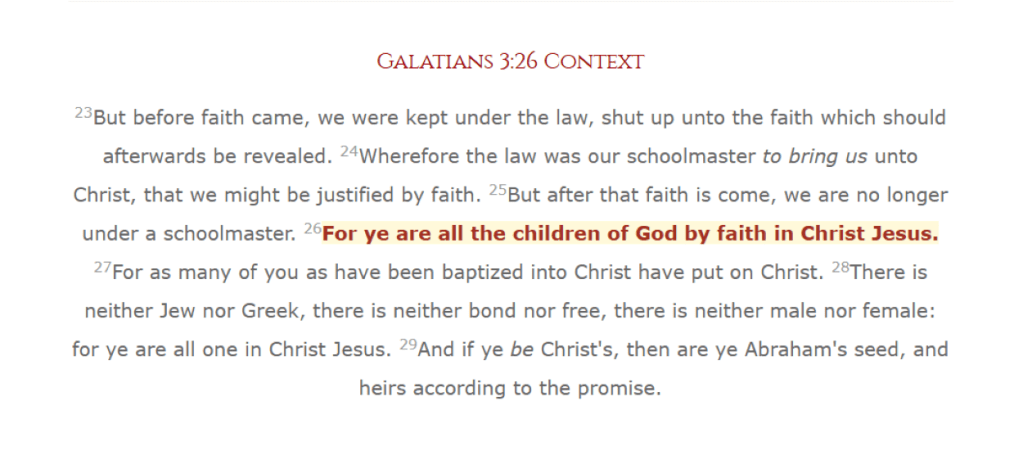
Galatians 3 confirms this temporary nature. The Law was “added until the Seed should come,” establishing a clear termination point. Once the Seed arrives, the covenantal tutor is no longer in authority. The covenant ends, but the Scriptures that testified of it remain intact.
Hebrews 9–10 expands this transition. The earthly sanctuary, priesthood, and sacrificial system are described as imposed “until the time of reformation.” The new covenant, established by the blood of Messiah, replaces the former system. The first is taken away so that the second may be established.
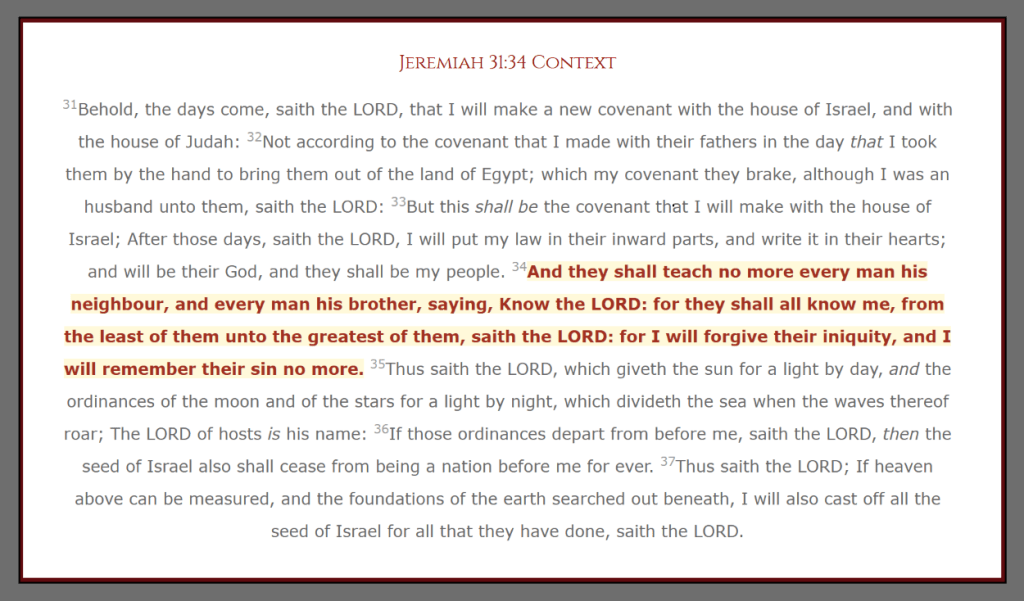
Jeremiah 31 provides the prophetic foundation. The new covenant is explicitly “not according to the covenant” made with Israel at Sinai. The former covenant is broken; the new covenant is internal, spiritual, and mediated directly by Messiah.
Romans 11 preserves Israel’s identity and future. The end of the Sinai covenant does not terminate the people to whom the promises were given. Israel remains beloved for the fathers’ sake, and the gifts and calling of God are without repentance. Covenant termination does not equal people termination.
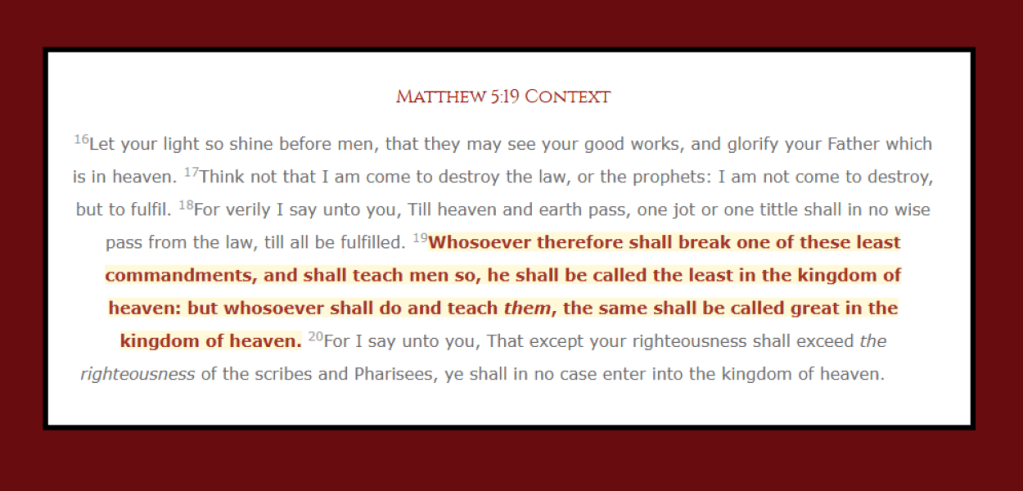
Matthew 5 preserves the authority of the Scriptures. The Law and the Prophets are not destroyed; they stand until all is fulfilled. The covenant ends, but the written testimony continues.
Hebrews 8:13 therefore marks the legal conclusion of the Sinai covenant while preserving the ongoing authority of Scripture and the continuing identity and prophetic destiny of Israel. The covenant vanishes; the people remain; the Scriptures endure; and Messiah Himself becomes the new covenant.
How the Two Ditches Misread Hebrews 8:13
Hebrews 8:13 declares the legal termination of the Sinai covenant:
“In that He saith, A new covenant, He hath made the first old. Now that which decayeth and waxeth old is ready to vanish away.”
This verse identifies the end of the covenantal system established at Sinai, not the end of Israel as a people and not the destruction of the Scriptures. Both theological extremes misinterpret this verse by extending its jurisdiction beyond what the text actually states.
1. The Left Ditch: Supersession / Replacement Systems
The left ditch correctly recognizes that Hebrews 8:13 announces the end of the Sinai covenant. However, it extends this conclusion into a jurisdiction the text does not authorize. These systems argue that the termination of the covenant implies the termination of Israel’s covenant identity, national continuity, and prophetic future. The covenant is treated as if it were the people themselves, so when the covenant ends, Israel is declared obsolete.
This interpretation collapses covenant termination into people termination. It confuses the end of the legal contract with the end of the nation to whom the promises were given. It ignores the continuing authority of the Scriptures (Matthew 5:17–18) and the continuing identity and calling of Israel (Romans 11:1, 28–29). Hebrews 8:13 ends the covenantal system, not the people, promises, or prophetic structures.
2. The Right Ditch: Unbelieving Israel and Nationalist Systems
The right ditch commits the opposite error. It refuses to accept the covenantal termination announced in Hebrews 8:13 and maintains that the Sinai covenant remains in force. This position treats national identity, land possession, and Temple structures as if they were the covenant itself. The covenant is equated with ethnicity, geography, and political restoration.
This interpretation ignores the explicit declaration that the first covenant has become old, is decaying, and is ready to vanish away. It denies the transition to the New Covenant established by Messiah’s blood (Hebrews 9–10) and rejects the Spirit‑governed jurisdiction of the New Covenant. It preserves the national structures but denies the covenantal shift.
3. The Jurisdictional Paradigm: The Center Position
The Jurisdictional Paradigm maintains the proper boundaries of Hebrews 8:13. The verse announces the end of the Sinai covenant, not the end of Israel’s identity or prophetic future. The covenant vanishes; the Scriptures remain; the people remain; the promises remain; and Messiah Himself becomes the New Covenant.
This position affirms:
- The Old Covenant ended (Hebrews 8:13; Galatians 3:19, 25).
- The Scriptures continue (Matthew 5:17–18).
- Israel continues as a people with an irrevocable calling (Romans 11:1, 28–29).
- Prophecy continues exactly as written, including Israel’s restoration.
- Messiah governs through the Spirit under the New Covenant.
Hebrews 8:13 marks the termination of the Sinai covenantal jurisdiction while preserving the ongoing authority of Scripture and the continuing identity and prophetic destiny of Israel.
Below is the clean, impersonal, structural layout of the paradigms.
This gives you the five‑paradigm framework you need before writing the comparison section.
No conversational tone. No references to you.
Just pure teaching structure.
The Five Major Paradigms for Interpreting Scripture and Covenant
These five paradigms represent the dominant interpretive systems used to understand Israel, the covenants, the Law, the Church, and the prophetic timeline. Each paradigm approaches Hebrews 8:13, Galatians 3, and Matthew 5 from a different jurisdictional angle.
1. The Jurisdictional Paradigm
Core principle: Messiah, the Last Adam, becomes the New Covenant.
The Sinai covenant ends, but Israel’s identity, promises, and prophetic future continue.
The Scriptures remain; the covenant vanishes; Messiah governs through the Spirit.
2. The Judaism Paradigm
(Traditional Jewish / Rabbinic Paradigm)
Core principle: The Sinai covenant remains in force.
The Torah is eternal, binding, and unbroken.
National Israel, Temple structures, and covenantal obligations continue without termination.
Messiah has not yet come, and the New Covenant has not been inaugurated.
3. The Covenant Paradigm / Replacement Paradigm
(Covenant Theology / Supersessionism)
Core principle: The Old Covenant ended, and the Church replaces Israel.
Israel’s national identity and prophetic future are absorbed into the Church.
The promises to Israel are spiritualized and reassigned to the Church.
Hebrews 8:13 is interpreted as the end of Israel’s covenantal existence.
4. The Restoration Paradigm
(Messianic, Hebrew Roots, One‑Law, Two‑House, and related systems)
Core principle: The Sinai covenant continues in some form for believers.
Torah observance is restored or re‑applied to the Church or to all believers.
Israel and the Church merge into a single covenant people.
The Old Covenant is not viewed as terminated but as revived or expanded.
5. The Dispensation Paradigm
(Dispensationalism)
Core principle: Israel and the Church are permanently distinct.
The Sinai covenant ended, but Israel’s national promises remain future.
The Church Age is a parenthesis in God’s plan for Israel.
Prophecy is fulfilled literally, but the New Covenant is applied primarily to Israel in the future.
Summary of the Five Paradigms
| Paradigm | View of Sinai Covenant | View of Israel | View of New Covenant | View of Torah |
|---|---|---|---|---|
| 1. (Jur.) | Ended | Continues | Messiah Himself | 80% retired / 20% identity & prophecy |
| 2. (Jud.) | Continues | Central | Not yet inaugurated | Fully binding |
| 3. (Cov.) | Ended | Replaced by Church | Applied to Church | Spiritualized |
| 4. (Rest.) | Continues or revived | Merged with Church | Torah‑centered | Binding for believers |
| 5. (Disp.) | Ended | Future Restored | Applied to Israel later | Not binding for Church |