🕊️ Elevation of Jerusalem to Patriarchal Status (451 AD)
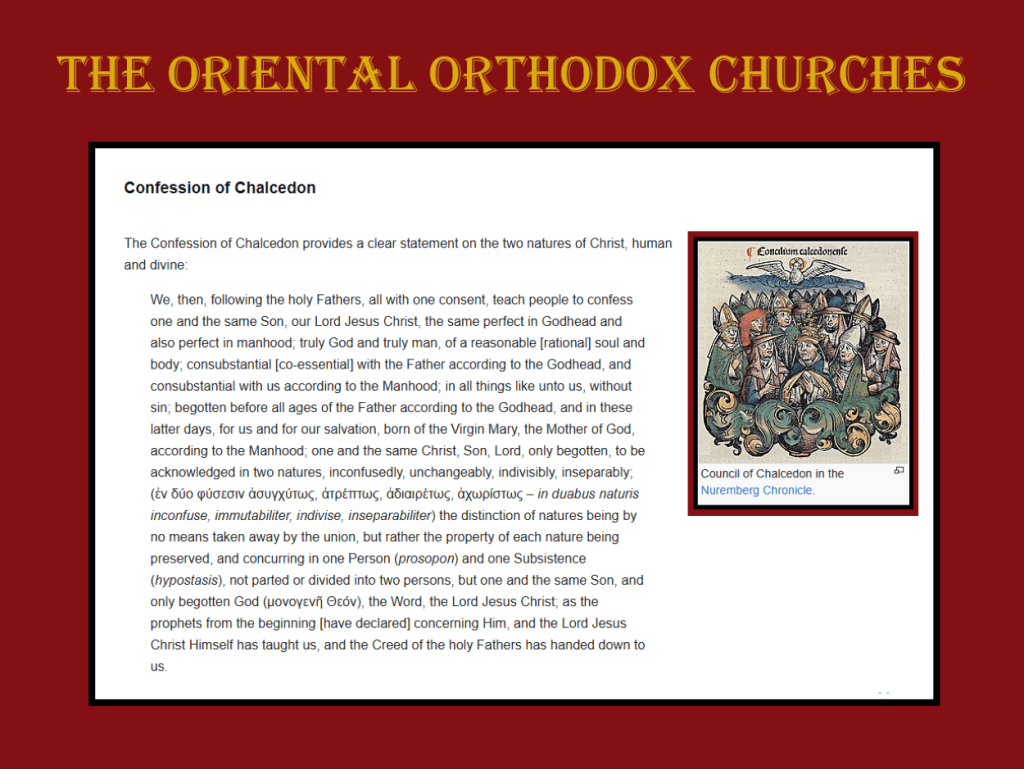
Jerusalem was officially elevated to the rank of Patriarchate during the Council of Chalcedon in 451 AD. This council was the fourth of the early Ecumenical Councils and dealt with major theological issues, especially the nature of Christ. Jerusalem’s elevation was based not on political power or population, but on its spiritual significance—as the site of Christ’s crucifixion and resurrection2.
Before this, Jerusalem was under the jurisdiction of the Patriarch of Antioch. But the Council recognized its unique role and granted it administrative independence, making it the fifth and final member of what became known as the Pentarchy.
🏛️ The Pentarchy: How the Five Patriarchates Governed Christianity
The Pentarchy refers to the five major episcopal sees of the early Church:
| Patriarchate | Region Controlled | Apostolic Origin | Key Traits & Influence |
|---|---|---|---|
| Rome | Western Europe | St. Peter & St. Paul | Asserted papal supremacy; became Roman Catholic |
| Constantinople | Eastern Roman Empire (Byzantium) | St. Andrew (tradition) | “New Rome”; emphasized conciliar governance |
| Alexandria | Egypt & North Africa | St. Mark | Major theological center; later split into Coptic & Greek Orthodox branches |
| Antioch | Syria & surrounding areas | St. Peter | Early missionary hub; also split into Syriac & Greek Orthodox branches |
| Jerusalem | Holy Land | St. James | Symbolic center; steward of holy sites |
Each patriarchate had jurisdiction over churches in its region, and together they were meant to maintain doctrinal unity. The idea was that if all five patriarchs agreed on a theological issue, it was considered authoritative—at least in the East.
However, Rome rejected this model, asserting universal authority through the Pope. This disagreement eventually contributed to the Great Schism of 1054, dividing Christianity into Western (Roman Catholic) and Eastern (Orthodox) branches.
Jerusalem’s role was always more symbolic and spiritual than administrative, but its inclusion in the Pentarchy affirmed its importance in the Christian imagination and pilgrimage tradition. It remains a deeply revered center for multiple Christian denominations to this day.
 TruthQuest International LLC; Bible Study Network