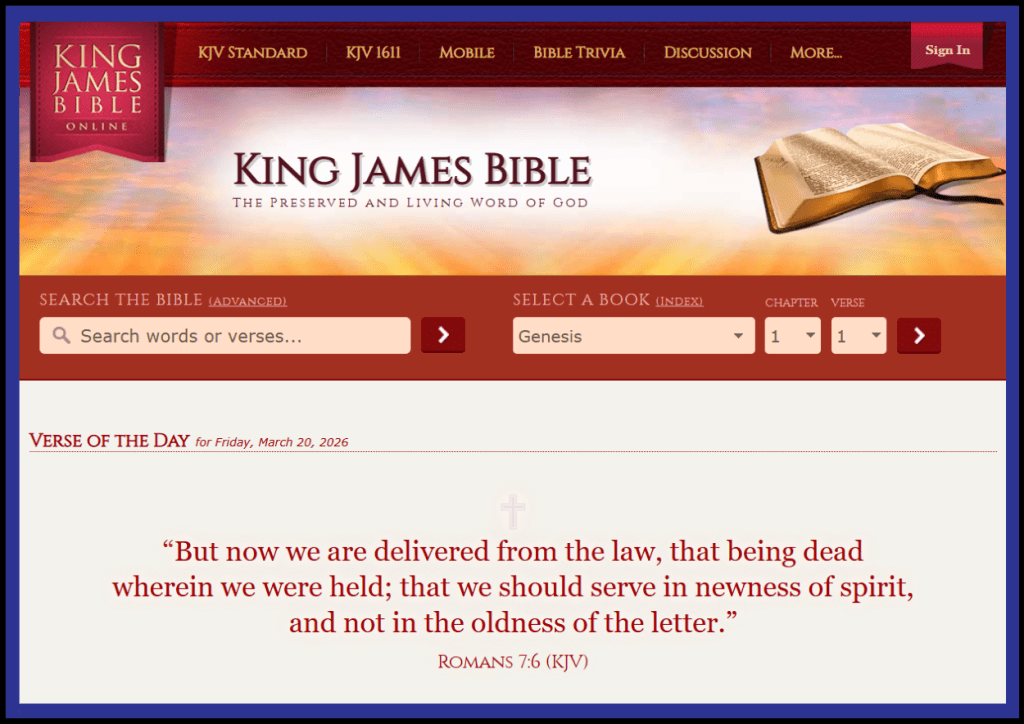
We begin this study with:
🟥SERVING YHVH IN OLDNESS OF LETTER
This study begins by examining how Israel served YHVH under the Sinai covenant. Paul describes this system as “oldness of letter” because it operates through written commands, external compliance, and covenant boundaries that must be maintained through actions, words, and required inaction.
The Sinai covenant forms a complete structure of worship, purity, identity, justice, and national life. Those under this covenant do the will of YHVH by remaining inside its system and observing its requirements exactly as written.
This first page outlines what Moses wrote — the original Torah delivered at Mount Sinai.
🟥 A Two‑Part Study
This study is divided into two parts:
PART 1 — TORAH AS WRITTEN BY MOSES
The covenantal system recorded in the written Scriptures.
PART 2 — TORAH AS PRACTICED IN YESHUA’S DAY
The expanded system that included the doctrines, rulings, and customs later called:
“The Leaven of the Pharisees”
(Matthew 16:6–12)
Yeshua used this phrase to describe the teachings, traditions, and added practices of the leaders — a second layer placed on top of the written Torah.
🟥 Purpose of This Page
This page focuses exclusively on:
TORAH AS WRITTEN BY MOSES
The covenantal structure that defined Israel’s service to YHVH in the “oldness of the letter.”
The next page will examine:
TORAH IN YESHUA’S DAY
What was added, how it functioned, and why Yeshua warned His disciples to beware of it.
The essence of Paul’s point is simply that Torah places a fence around those under The Mount Sinia Covenant. They do the will of YHVH by remaining inside of it. This system requires compliance of words and actions. Which includes inaction.
____________________________________________
🟥Complete Outline of Torah
____________________________________________
🟦 1. The Ten Commandments
See: Exodus 20:1-17 and Deuteronomy 5:6-21
🟦 2. Sacrificial System
- Burnt offerings
- Sin offerings
- Guilt offerings
- Peace offerings
- Grain offerings
🟦 3. Priestly Requirements
- Priestly consecration
- High priest regulations
- Priestly purity
- Priestly garments
- Priestly duties
🟦 4. Temple and Sanctuary System
- Tabernacle structure
- Holy Place
- Most Holy Place
- Altar regulations
- Incense and lampstand
- Day of Atonement rituals
🟦 5. Feasts and Holy Days
- Seven annual feasts
- Annual holy convocations
- Weekly Sabbath
- New moons
- Sabbatical year
- Jubilee year
🟦 6. Separation Laws
- Separation from the uncircumcised
- Table‑fellowship boundaries
- Household boundaries
- Intermarriage prohibitions
- Clean/unclean distinctions
🟦 7. Kosher Dietary Laws
- Clean and unclean animals
- Sea creatures
- Birds
- Insects
- Blood prohibition
- Fat prohibition
🟦 8. Purity and Impurity Laws
- Bodily discharges
- Leprosy and skin conditions
- Mold and house impurity
- Menstrual impurity
- Childbirth impurity
- Ritual bathing
🟦 9. Identity and Appearance Laws
- Beard regulations
- Hair‑cutting restrictions
- Priestly head coverings
- Tassels on garments
- Mixed‑fabric prohibition
- Tattoo and cutting prohibitions
🟦 10. Civil and Judicial Laws
- Penalties
- Stoning offenses
- Restitution laws
- Kinsman‑Redeemer (Go’el) Laws
- Property disputes
- Judges and courts
🟦 11. Land‑Based Laws
- Agricultural cycles
- Gleaning laws
- Tithes tied to produce
- Firstfruits
- Land inheritance
- Boundaries and property rights
🟦 12. Vows and Oaths
- Nazarite vow
- General vows
- Oath‑keeping regulations
🟦 13. War and National Laws
- Rules of warfare
- Treatment of captives
- National holiness
- Kingship regulations
🟦 14. Blessings and Curses
- Covenant blessings
- Covenant curses
- National consequences
🟦 15. Daily Duties
🟩 Summary
This outline now includes all major Torah categories, forming a complete structural map of the Sinai covenant. It shows the full scope of what “oldness of the letter” required in daily life, worship, identity, purity, justice, agriculture, and national functio
1. No other gods
2. No idols
3. Do not take the name of the LORD in vain
4. Remember the Sabbath day
5. Honor father and mother
6. Do not murder
7. Do not commit adultery
8. Do not steal
9. Do not bear false witness
10. Do not covet
Torah then can be divided into topical groups, such as The Feasts and Holy Days. There are many.
🟦 The Seven Annual Feasts of the LORD (Leviticus 23)
The Torah identifies seven annual appointed feasts:
- Passover
- Unleavened Bread
- Firstfruits
- Weeks (Pentecost)
- Trumpets
- Day of Atonement
- Tabernacles (Booths)
These seven form the core annual festival cycle.
🟦 Annual Holy Days Within the Feasts
Several of the feasts include Sabbath‑level holy days (shabbaton), days on which no work is permitted:
- First day of Unleavened Bread
- Seventh day of Unleavened Bread
- Feast of Weeks (Pentecost)
- Trumpets
- Day of Atonement
- First day of Tabernacles
- Eighth day (Shemini Atzeret)
These are distinct from the weekly Sabbath and are counted as annual holy convocations.
🟦 Additional Sacred Times Connected to the Feasts
The Torah also includes:
- The weekly Sabbath (recurring every seven days)
- The new moon offerings (Numbers 28:11–15)
- The sabbatical year (every seventh year)
- The Jubilee year (every fiftieth year)
These are not part of the seven annual feasts but are part of Israel’s sacred calendar.
The Torah’s annual festival cycle is therefore built around seven appointed feasts and seven annual holy days, forming a complete covenantal calendar for Israel.
🟥Torah Separation Laws
Torah establishes a series of separation laws that regulate Israel’s social, religious, and covenantal boundaries. These laws create a clear distinction between those inside the covenant (circumcised Israelites and proselytes) and those outside the covenant (uncircumcised Gentiles). The separation includes worship, meals, sacrifices, offerings, and household fellowship.
🟦 Uncircumcised persons are excluded from covenant meals
Passover Meal — Exodus 12:43–49
- No uncircumcised male may eat the Passover.
- No foreigner may participate unless fully circumcised.
- The meal is restricted to those inside the covenant.
This establishes the foundational rule: covenant meals require covenant membership, and covenant membership requires circumcision.
Priestly and sacrificial portions — Leviticus 22
- Only those who are ritually clean and covenantally qualified may eat holy food.
- Outsiders (zar, ben‑nekar) are forbidden from eating anything sanctified.
🟦 Uncircumcised persons are classified as “unclean”
Leviticus 15; Leviticus 18; Leviticus 20
- Gentile nations are described as practicing “unclean” ways.
- Israel is commanded not to imitate their customs.
- Association with uncleanness requires purification.
🟦 Israelites are forbidden to enter the homes of uncircumcised Gentiles
Implicit in purity laws and later affirmed in Acts 10:28
- Entering the home of an uncircumcised person creates ritual impurity.
- Table fellowship with Gentiles is treated as defilement under the Sinai system.
- Peter’s statement in Acts 10:28 reflects this Torah‑based separation.
🟦 Intermarriage with the uncircumcised is forbidden
Exodus 34:12–16; Deuteronomy 7:1–4
- Marriage with uncircumcised nations is prohibited.
- Such unions are described as leading Israel into idolatry.
- The prohibition reinforces the covenant boundary.
🟦 Table fellowship is restricted to covenant members
Deuteronomy 14; Leviticus 11
- Dietary laws create a boundary between Israel and the nations.
- Shared meals require shared purity status.
- Eating together implies covenant unity, which Torah forbids with the uncircumcised.
This is why Jews in the Second Temple period avoided eating with Gentiles.
🟩 Conclusion
Torah’s separation laws require:
- no shared meals with the uncircumcised
- no entry into their homes
- no participation in covenant meals
- no sharing of holy food
- no intermarriage
- no ritual or table fellowship
These laws form a complete separation system between Israel and the nations. This system is part of what Paul calls “the oldness of the letter” in Romans 7:6 and demonstrates why Gentile believers cannot be placed under the Sinai covenant.
🟥Kosher Dietary Laws
The Torah establishes detailed dietary regulations that define which animals may be eaten, which are forbidden, and how permitted animals must be handled. These laws create a covenantal distinction between Israel and the nations and form a major component of daily life under the Sinai covenant.
🟦 1. Land Animals — Leviticus 11:1–8; Deuteronomy 14:4–8
Permitted land animals must meet two requirements:
- split hoof
- chew the cud
Examples of permitted animals:
- ox
- sheep
- goat
- deer
Examples of forbidden animals:
- camel
- rabbit
- pig
Animals that meet only one requirement are prohibited.
🟦 2. Sea Creatures — Leviticus 11:9–12; Deuteronomy 14:9–10
Permitted sea creatures must have:
- fins
- scales
Examples of forbidden sea creatures:
- catfish
- shrimp
- lobster
- crab
- scallops
- oysters
All creatures lacking fins and scales are prohibited.
🟦 3. Birds — Leviticus 11:13–19; Deuteronomy 14:11–20
The Torah lists specific birds that are forbidden, including:
- eagle
- vulture
- raven
- owl
- hawk
- stork
- bat
All other birds not listed are permitted.
🟦 4. Insects — Leviticus 11:20–23
Most insects are forbidden, with one exception:
Permitted:
- locusts
- grasshoppers
- crickets
Forbidden:
- all other winged insects
🟦 5. Carcass and Contact Laws — Leviticus 11:24–40
The dietary system includes rules about:
- touching dead animals
- carrying carcasses
- washing garments
- ritual impurity until evening
These regulations extend beyond eating and govern daily purity.
🟦 6. Blood Prohibition — Leviticus 17:10–14
The Torah strictly forbids:
- eating blood
- consuming meat with blood still in it
Blood must be drained and covered with dust.
🟦 7. Fat Prohibition — Leviticus 3:17; 7:23–25
Certain fats (chelev) from sacrificial animals are forbidden for consumption.
🟦 8. Meat and Milk Separation (Rabbinic Expansion)
The Torah states:
- “Do not boil a young goat in its mother’s milk.” (Exodus 23:19; 34:26; Deuteronomy 14:21)
Later Jewish tradition expanded this into full separation of meat and dairy, though the written Torah contains only the original prohibition.
🟩 Summary
Kosher dietary laws include:
- permitted and forbidden land animals
- permitted and forbidden sea creatures
- specific forbidden birds
- limited permitted insects
- carcass‑contact purity rules
- prohibition of blood
- prohibition of certain fats
- the command not to boil a young goat in its mother’s milk
These laws form a complete dietary system within the Sinai covenant and illustrate a major aspect of serving in the oldness of the letter.
🟥Covenant Identity Markers
These laws function as visible, physical markers that distinguish Israel from the surrounding nations. They are not moral laws and not civil laws. They are identity‑forming regulations tied to holiness, separation, and covenant symbolism.
This category includes:
🟦 1. Beard and Hair Laws
Leviticus 19:27; 21:5
- Do not round the corners of the beard
- Do not mar the edges of the beard
- Priests may not shave their heads or cut their beards in mourning
These laws mark Israelite men—especially priests—as distinct from surrounding cultures.
🟦 2. Clothing Laws
Deuteronomy 22:11
- Do not wear garments of mixed fabrics (wool and linen together)
Numbers 15:38–40
- Wear tassels (tzitzit) on the corners of garments
- Include a blue cord as a reminder of the commandments
These laws create visible covenant identity in daily life.
🟦 3. Head‑Covering / Head‑Wrapping Laws
Exodus 28:4, 37–39
- Priests must wear specific head coverings (mitre/turban)
- The high priest must wear a gold plate on the forehead reading “HOLINESS TO THE LORD”
These are priestly identity markers tied to holiness and consecration.
🟦 4. Additional Bodily and Appearance Laws
These also belong to the same category:
- prohibition of tattoos (Leviticus 19:28)
- prohibition of cutting the flesh in mourning (Leviticus 19:28; 21:5)
- restrictions on baldness for priests (Leviticus 21:5)
All of these regulate physical appearance as a sign of covenant separation.
🟩 Summary Category
Covenant Identity and Holiness‑Marking Laws This grouping includes:
- beard‑shaping laws
- hair‑cutting laws
- priestly head coverings
- tassels on garments
- prohibition of mixed fabrics
- tattoo and cutting prohibitions
- priestly appearance regulations
These laws define how Israel looked, how Israel dressed, and how Israel marked itself as a holy nation under the Sinai covenant.
 TruthQuest International LLC; Bible Study Network