Secular & Spiritual
For the Neuroplastic Therapy Programs EXIT NOW
Every major theological system is built on the wrong axis.
Judaism → covenantal, national, halakhic → no Adamic jurisdiction loss → no Last Adam jurisdiction recovery
Christianity → ecclesiastical, sacramental, institutional → Messiah = founder of a religion → not the Last Adam reclaiming dominion
Reformation→ justification lens → not jurisdiction lens
Dispensationalism
→ timeline lens → not authority-transfer lens
Covenant Theology→ one covenant lens → not Adamic failure → Messiah’s legal victory lens
Restorationist movements→ “lost church restored” lens → not “lost dominion restored” lens
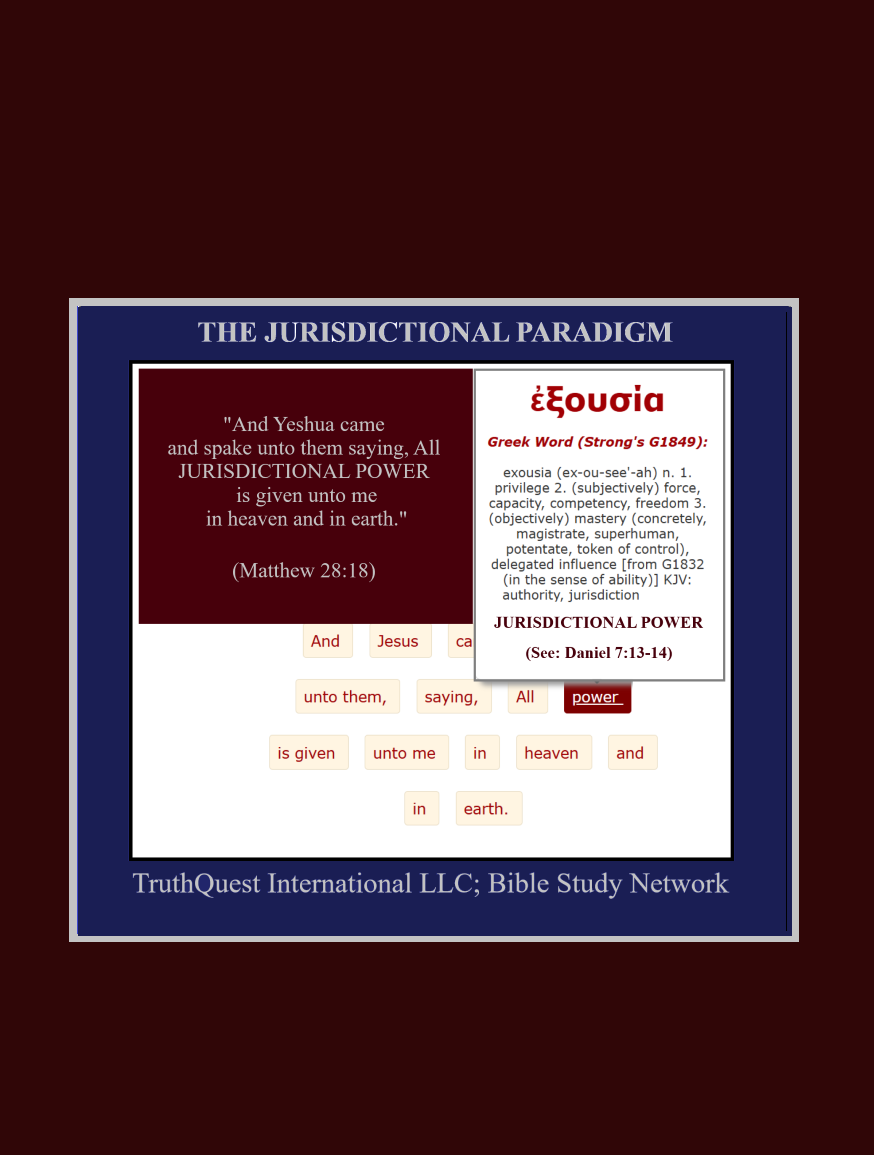
Most of them reject the foundational premise that Satan acquired the “JURISDICTIONAL POWER” that Adam lost in the Garden of Eden.

About Us
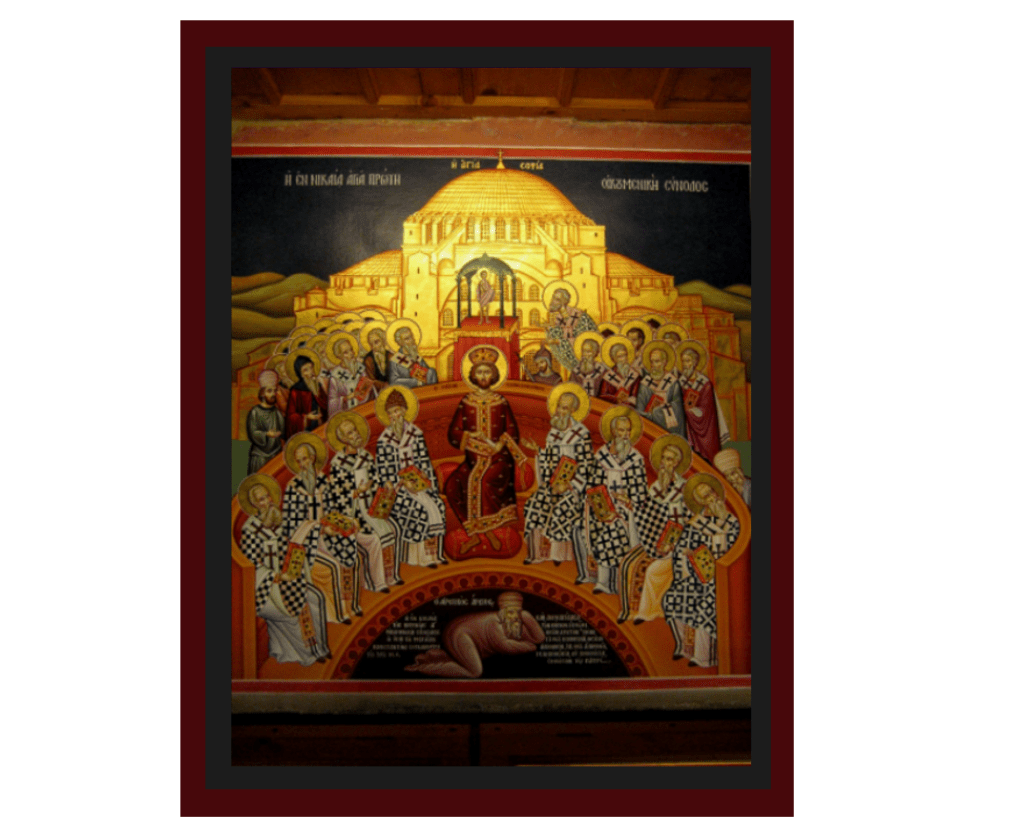
Most Bible scholars missed the jurisdictional structure because they inherited interpretive systems that trained them to read Scripture through religious, institutional, or national lenses instead of the Bible’s own legal‑jurisdictional framework; once theology became anchored in church traditions, covenant systems, denominational grids, and philosophical categories, the Adamic loss of authority, Satan’s legal jurisdiction, YHVH’s sworn intent in Genesis 22, the Seed’s courtroom victory, and Paul’s Gentile commission were all reframed into moral, ecclesiastical, or political concepts, leaving the original architecture buried under centuries of assumptions and ensuring that even sincere scholars never looked in the direction where the paradigm actually lives.

What caused the Bible Scholars to miss this?
Jewish Scholars:
Missed the jurisdictional paradigm because their interpretive tradition was shaped by national covenant, halakhah, and political expectation, not by Adamic authority-loss or cosmic legal structures. Their focus on Torah as Israel’s constitutional code prevented them from seeing the Seed’s jurisdictional mission in Genesis 22, Daniel 7, and Psalm 110, so the Messiah’s work was interpreted through national restoration, not the legal overthrow of the spiritual powers.
Replacement Theologians:
missed the jurisdictional paradigm because they interpreted Scripture through a church‑centered, allegorical framework that replaced Israel’s story with the institutional Church, blinding them to the legal, Adamic, and oath‑based structure running from Genesis 3 to Genesis 22 to Daniel 7. By redefining the “Seed,” the “nations,” and the “enemies” as spiritualized church categories, they never saw the legal transfer of authority that Messiah accomplished, so the entire jurisdictional chain remained hidden behind their inherited theological system.
Dispensation Scholars:
missed the jurisdictional paradigm because their entire system was built on historical eras, prophetic timelines, and Israel–Church separation, which forced them to read Scripture through a chronological lens instead of a legal‑jurisdictional lens. By focusing on seven dispensations, a postponed kingdom, and a future political restoration of Israel, they never saw the Adamic authority-loss, the Seed’s legal victory, or the oath‑based transfer of dominion in Genesis 22, so the true structure of Messiah’s mission remained hidden behind their timeline-driven framework.
Reform Scholars
missed the jurisdictional paradigm because their system was built on Augustine’s philosophical categories and later shaped by Luther and Calvin’s focus on justification, which locked them into a soteriological lens rather than a jurisdictional one. By interpreting Scripture through decrees, covenants, and the invisible church, they never traced the Adamic loss of authority, the Seed’s legal victory, or the oath‑based transfer of dominion, leaving the entire jurisdictional structure outside their theological field of vision.
Got questions?
Feel free to reach out.
 TruthQuest International LLC; Bible Study Network