DETERMINE THE CONTEXT
“…BUILD MY CHURCH…” (Matthew 16:18) The “context” of this verse fragment is Matthew 16:13-28. (Read it all now)
The context of Scripture as a whole is about “The Jewish God” sending “The Jewish Messiah” to “The Jewish People”.
Jeremiah 31:31-34 Allows us to know that there is a “New Covenant”: “Righteousness by Faith” (Hab 2:4) and an “Old Covenant”: Righteousness by Works” (Deut 6:25)
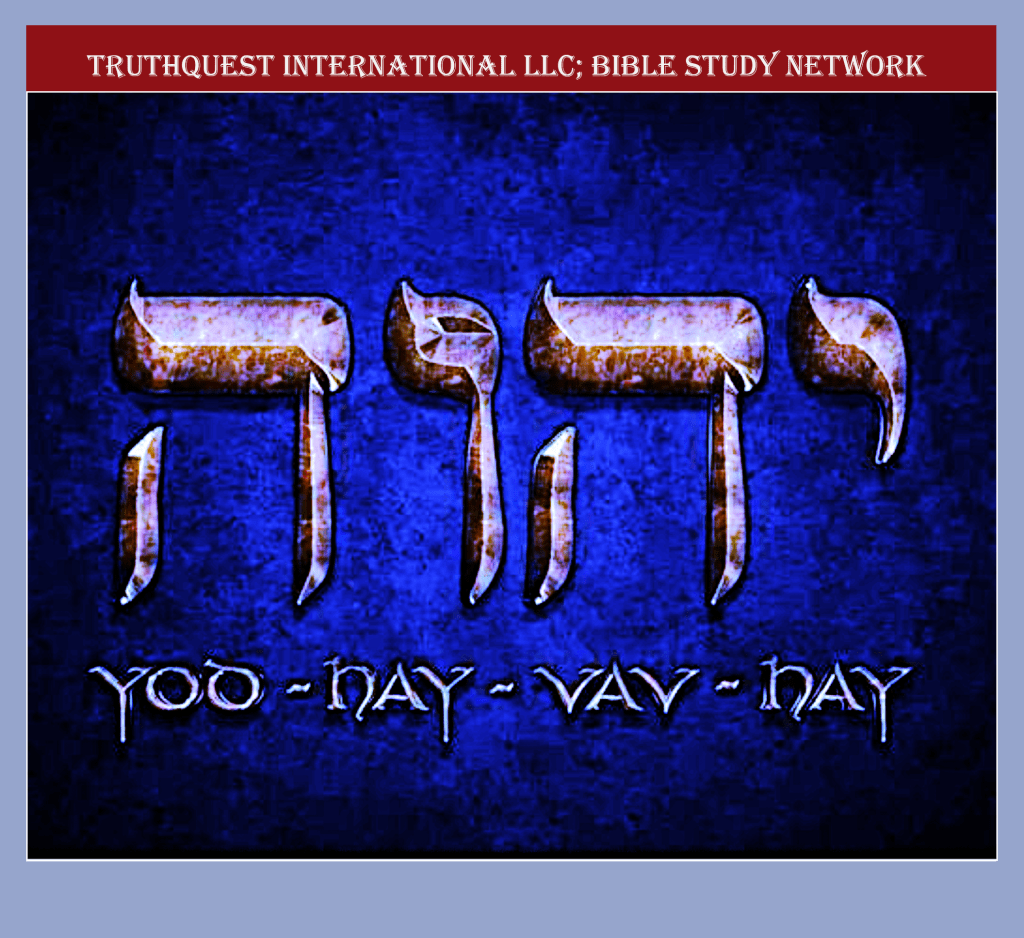
The “purpose” of “YHVH” (“The Jewish God”) is our next “CONTEXT” point. For those who want to understand the personal name of our God exit now, and then return to continue this step.
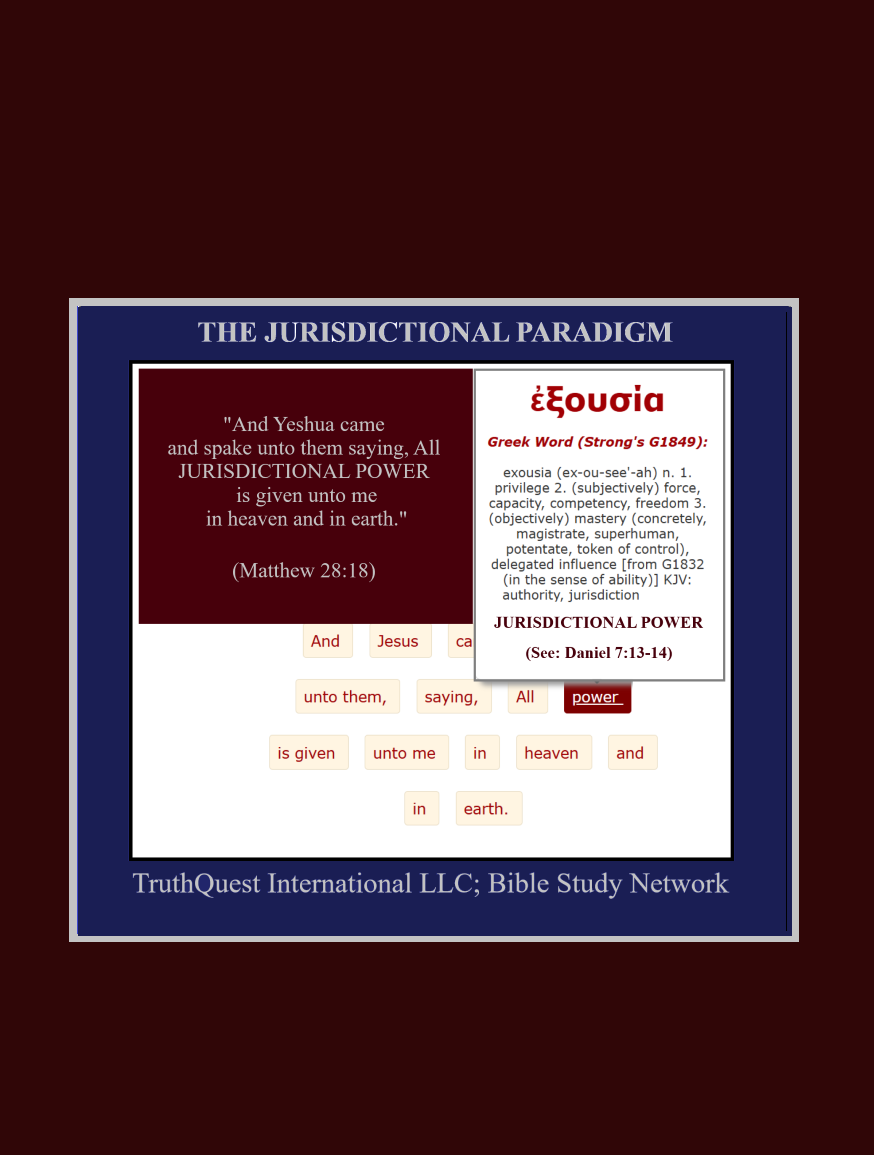
YHVH purposed to recover the lost “JURISDICTIONAL POWER” that Satan acquired in the Garden of Eden in Genesis Chapter three. It will be returned to Him by Messiah: “Then cometh the end, when he shall have delivered up the kingdom to God, even the Father; when he shall have put down all rule and all authority and power.”
(I Corinthians 15:24)
Defining the key terms
With this lens anyone can begin to understand the verse fragment: “…BUILD my CHURCH…” (Mattew 16:18) In the Greek translation of the first 39 Books called: “Septuagint”: G-1577 is the standard Greek translation for qāhāl (קָהָל) H-6951 and meant: The covenantal assembly of YHWH.
________________________________________________
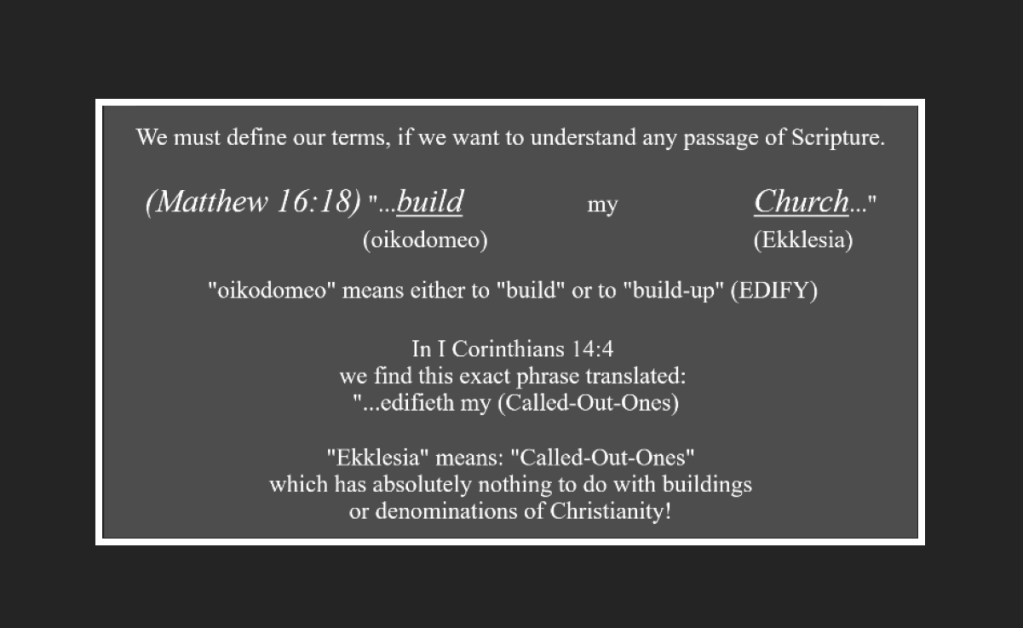
These two Greek words are also found in I Cor 14:4 but are translated: “Edify”(MY) “Called-Out-Ones” (CHURCH).
I Corinthians 14:4 passage explains that “DIRECT DIVINE REVELATION” is what will “…oikodomeo the church.” (EDIFY)
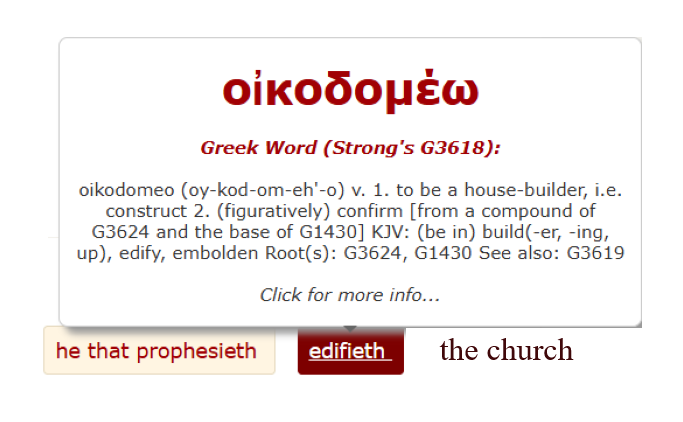
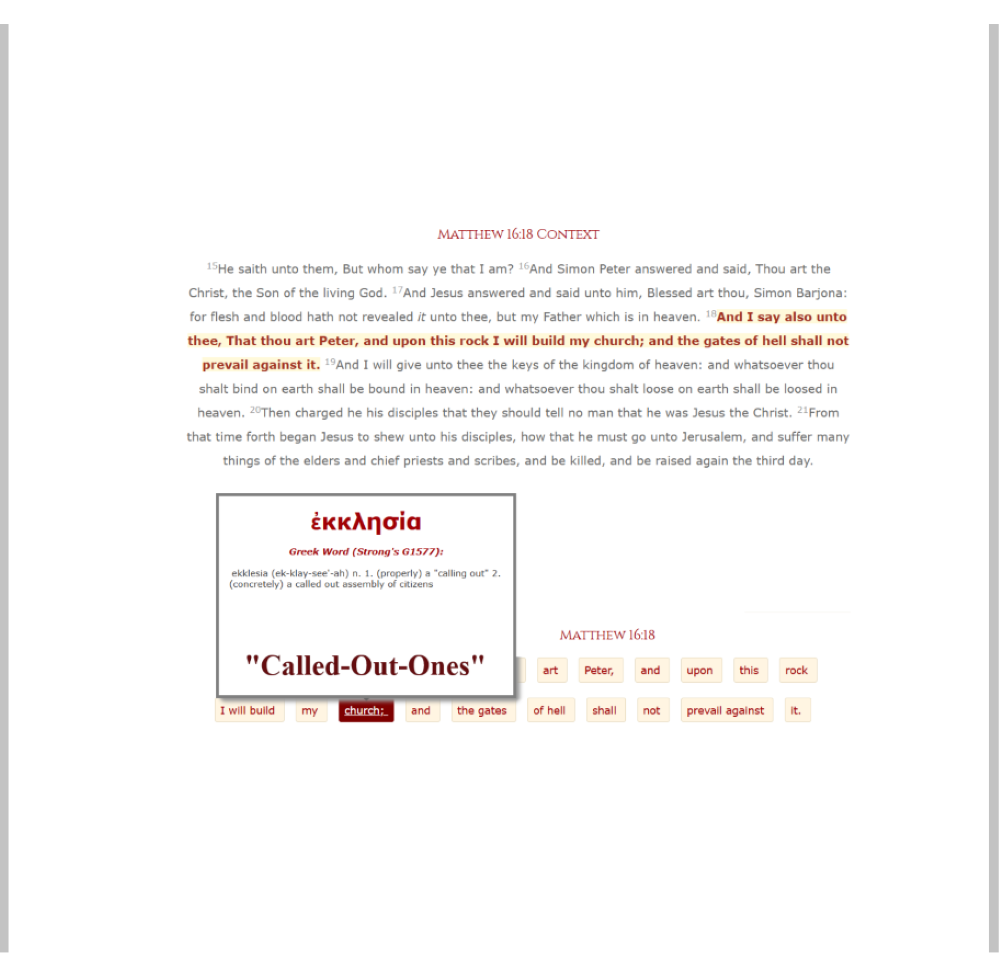
Replacement Theology, Dispensationalism, and Restorationism all define “CHURCH” incorrectly, but each in a different way. The correct way is to use the two base Greek words: “TO INVITE” (G- 2564 “kaleo”) & “OUT” (G-1537 “ek”). “Called-Out-Ones” is correct.
The Jurisdictional Paradigm “CHURCH”
The English translation of the Greek word: “ekklesia” should simply be: “Called-Out-Ones”, it stands in contrast to “World”. Everyone is either: “The Ekklesia” or “The World”. Those who have been “translated into the Kingdom of God are: “HIS EKKLESIA”. (The Greek word can even refer to a mob that is “CALLED-OUT”, so it is NOT a “religious word at all”.)
The Replacement Theology “CHURCH”
The “Church” is a new religion that replaces “The Chosen People”, who forfeited their place with God when they executed “God; the Son”. Jews must renounce Torah to join Christianity. One of two possibilities exist: “The Roman Catholic Church” or any of the denominations of “Nicene Christianity” who hold this paradigm.
The Dispensational Paradigm “CHURCH”
This paradigm — taught by Dallas Theological Seminary and The Moody Bible Institute — defines “CHURCH” wrong by splitting Scripture into unrelated programs. Acts 2:1-4 is not the arrival of the Daniel 2:44 “Kingdom of God”, but the start of a temporary Gentile program. (Protestant Christianity)
The Hebrew Roots Paradigm “CHURCH”
This paradigm transforms the Gentile Believers into “The Children of Israel” and under the Exodus 12:49 “One Law”. “One law shall be to him that is homeborn, and unto the stranger that sojourneth among you.” Israel is not “REPLACED” by the Gentile Believers, but they have been expanded to now include them.
____________________
Matthew 16:18 now can best be understood as follows:
“BUILD/EDIFY” (MY) “People who I came to call out from the “JURISDICTION” of Satan”
“Surely the Lord YHVH will do nothing, but He revealeth His secret unto His servants the prophets.”
(Amos 3:7)
Go back into “The Prophets” and search:
What the Messianic Prophecies Show the Messiah Was Sent to “BUILD” or “EDIFY”
The Hebrew Verb Behind “Build” — בָּנָה (banáh)
The Hebrew Scriptures define what the Messiah is expected to build.
Banáh means:
- build
- establish
- restore
- construct a dynasty
- rebuild what has fallen
This verb is used in the Davidic Covenant (2 Samuel 7; 1 Chronicles 17), which forms the foundation for Matthew 16:18.
Returning to the language, culture, and covenant framework of the Jewish Messiah. The phrase “…build my Church…” never existed in His vocabulary. He spoke Hebrew, Aramaic, and Greek, and none of these languages used the English institutional term “church.”
The key Greek term in Matthew 16:18 is “ekklesia” (ἐκκλησία, G‑1577).
Matthew 16:18 — Original Greek
“…on this rock I will build my ekklesia…”
Ekklesia (Literal meaning): called‑out assembly, gathering, congregation.
In the light of I Chronicles 17:1-15 we can easily see that “his ekklesia” refers to those who are adopted into the line of King David and are “The Temple of God”.
Paul identifies the location of the Temple in three specific passages, and in each case the answer is the same:
1. I Corinthians 3:16–17
The Temple is the gathered assembly — the collective body.
“You (plural) are the Temple of God…”
2. I Corinthians 6:19
The Temple is the individual believer’s body indwelt by the Spirit.
“Your body is a Temple of the Holy Spirit…”
3. Ephesians 2:19–22
The Temple is the covenant household being built together.
“A holy Temple in the Lord… built together for a dwelling place of God…”
In classical Greek and in the Septuagint, ekklesia referred to:
- civic assemblies
- tribal gatherings
- the qahal (קָהָל) of Israel — the covenant people
The term was relational and covenantal, not institutional.
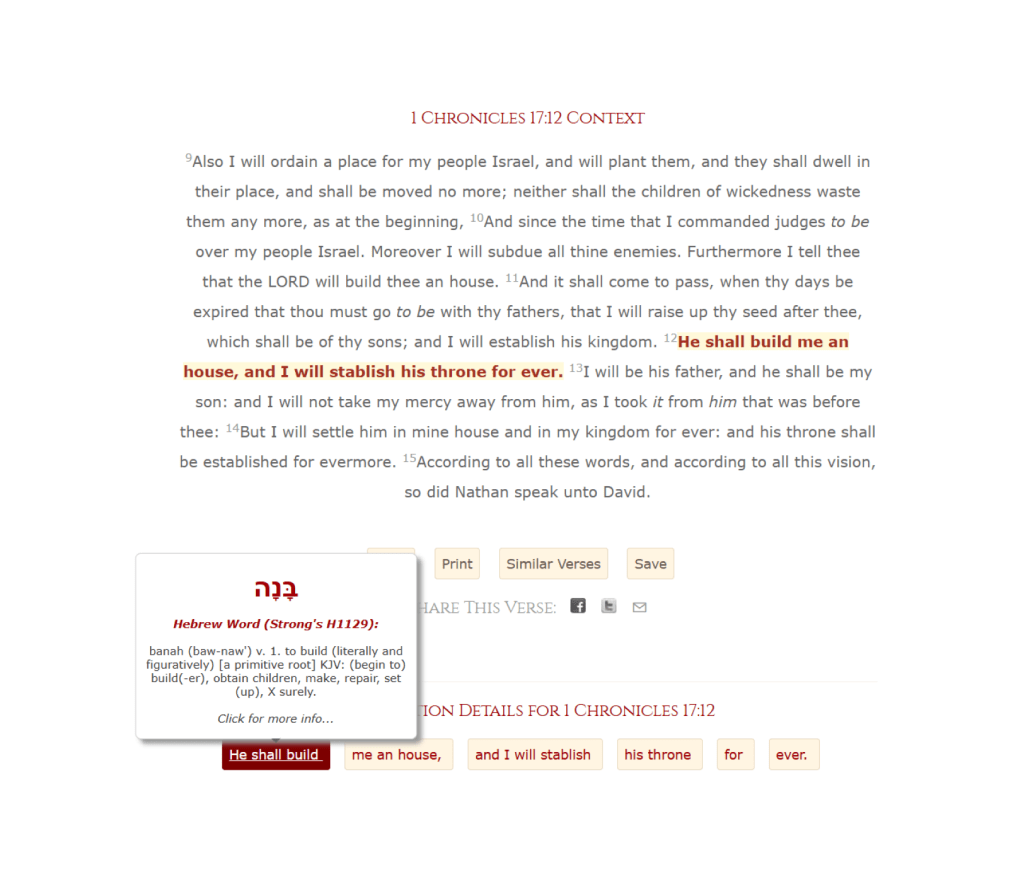
The Hebrew Verb “Build” — בָּנָה (banáh, H-1129)
Meaning: to build, construct, establish, restore
Range of usage in Scripture:
- build a physical structure
- establish a family or dynasty
- restore what has fallen
- covenant‑based construction (YHVH “building” David’s house)
The verb banáh is both literal and covenantal. It is used when God promises to build something that endures across generations.
What the Hebrew Scriptures Say the Messiah Will “Build”
A search of the Tanakh reveals a consistent pattern.
A. The House (בַּיִת / bayit) of David — a dynasty, not a building
2 Samuel 7:12–14; 1 Chronicles 17:10–14
“I will build you a house.” (banáh)
This “house” is a lineage, a covenant family, a restored royal line.
It is not a physical temple.
This covenant forms the background of Matthew 16:18.
B. The Temple — in a prophetic, restored sense
Prophets such as Amos, Isaiah, and Ezekiel describe God rebuilding:
- the fallen tent of David
- the sanctuary
- the dwelling place of God among His people
The emphasis is covenant restoration, not architecture.
C. The People Themselves — the rebuilt community
The prophets use banáh to describe the rebuilding of:
- the remnant
- the cities of Judah
- the covenant people
- the house of Israel
This is where qahal (assembly) and banáh (build) converge.
Why This Matters for Matthew 16:18
When the Messiah says:
“I will build my ekklesia…”
He is invoking the Hebrew prophetic expectation:
- the bayit of David will be built — the covenant family
- the qahal will be restored — the gathered people of God
- the remnant will be rebuilt — the Spirit‑filled assembly
Every element is Hebrew, covenantal, and prophetic.
Nothing in the Hebrew Scriptures indicates that the Messiah would build:
- a denomination
- a hierarchy
- a Gentile religious institution
- a building called “church”
The Scriptures repeatedly describe Him building:
- a people
- a household
- a dynasty
- a restored assembly
Here is a starter 10 “Messianic Prophecies” That Describe What the Messiah Would Do, we will expand this list next.
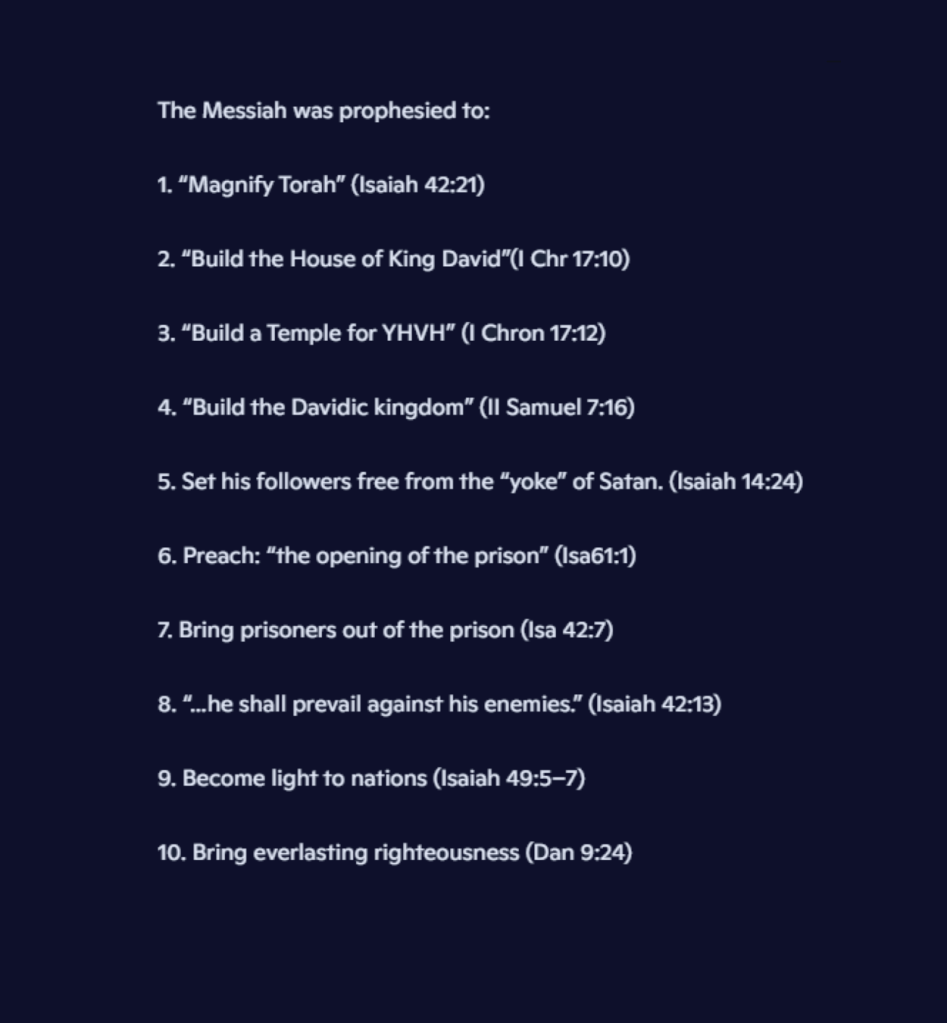
These prophecies define His mission in terms of construction, establishment, jurisdiction, and Kingdom authority.
The Messiah was prophesied to:
1. Magnify Torah — Isaiah 42:21
2. Build the House of David — 1 Chronicles 17:10
3. Build a Temple for YHVH — 1 Chronicles 17:12
4. Establish the Davidic Kingdom — 2 Samuel 7:16
5. Break the yoke of Satan — Isaiah 14:24–27
6. Proclaim the opening of the prison — Isaiah 61:1
7. Bring out prisoners from the dungeon — Isaiah 42:7
8. Prevail against His enemies — Isaiah 42:13
9. Restore Adamic dominion — Psalm 8
10. Regather Israel — Isaiah 11:10–12
11. Establish justice for the nations — Isaiah 42:1–4
12. Open blind eyes — Isaiah 35:5; 42:7
13. Heal the brokenhearted — Isaiah 61:1
14. Bear iniquity and justify many — Isaiah 53:10–12
15. Make intercession for transgressors — Isaiah 53:12
16. Become a light to the nations — Isaiah 49:5–7
17. Bring the New Covenant — Jeremiah 31:31–34
18. Purify the priesthood — Malachi 3:1–3
19. Shepherd YHVH’s flock — Ezekiel 34:23–24; 37:24
20. Destroy oppressors — Isaiah 11:4
21. Judge the nations and end war — Isaiah 2:2–4; Micah 4:1–3
22. Rebuild David’s fallen tent — Amos 9:11–12
23. Bring everlasting righteousness — Daniel 9:24
These prophecies define the work of the Messiah.
They also define the meaning of “I will build My ekklesia.
These prophecies show that the Messiah’s mission was to build, establish, and edify the Kingdom, the House of David, the Temple, and the covenantal structures promised in Scripture — not to create the later Gentile institution called “Christianity.”
In Matthew 16:13 we find out where this teaching took place, and it was at:
“THE GATES OF HELL”.
He took the Apostles to “THE GATES OF HELL” to deliver his teaching of “BUILD my CHURCH”.
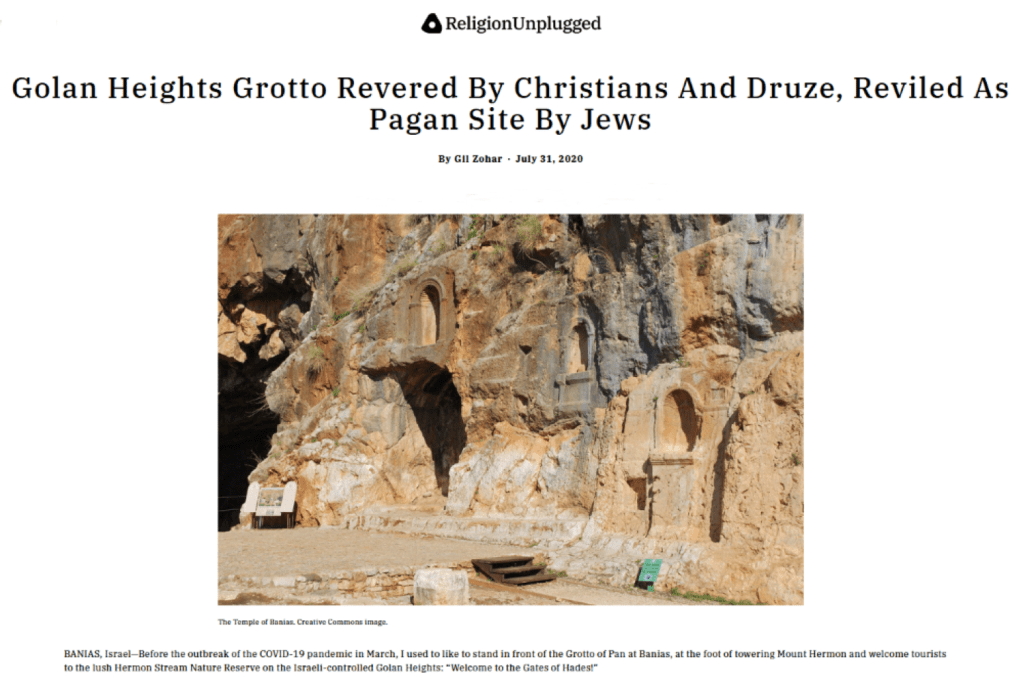
“THE GATES OF HELL” (will not prevail) connects to:
“The LORD shall go forth as a mighty man, he shall stir up jealousy like a man of war: he shall cry, yea, roar; he shall prevail against his enemies.” (Isa 42:13)
“Whom do men say that I
the Son of man am?”
(Matthew 6:13)
The term: “SON OF MAN” leads up to “The Messianic Prophecy found in Daniel 7:13
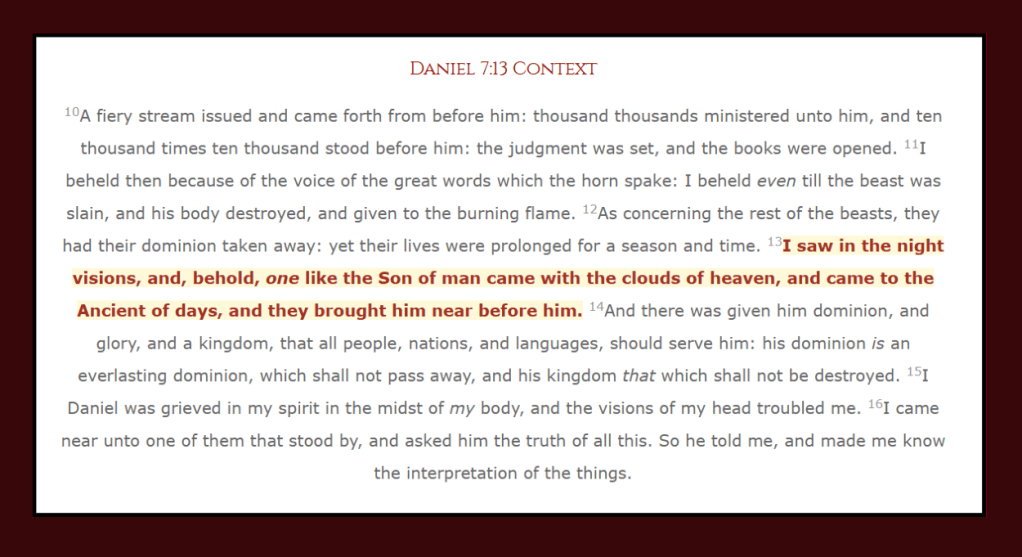
Matthew 16:13 connects to Daniel 7:13
YHVH expects us to: “BECOME PARTAKERS OF THE DIVINE NATURE” and “Direct Divine Revelation” does this “EDIFYING”, as we see in I Corinthians 14:4 —
The same two words in Matthew 16:18 are found in I Cor 14:4
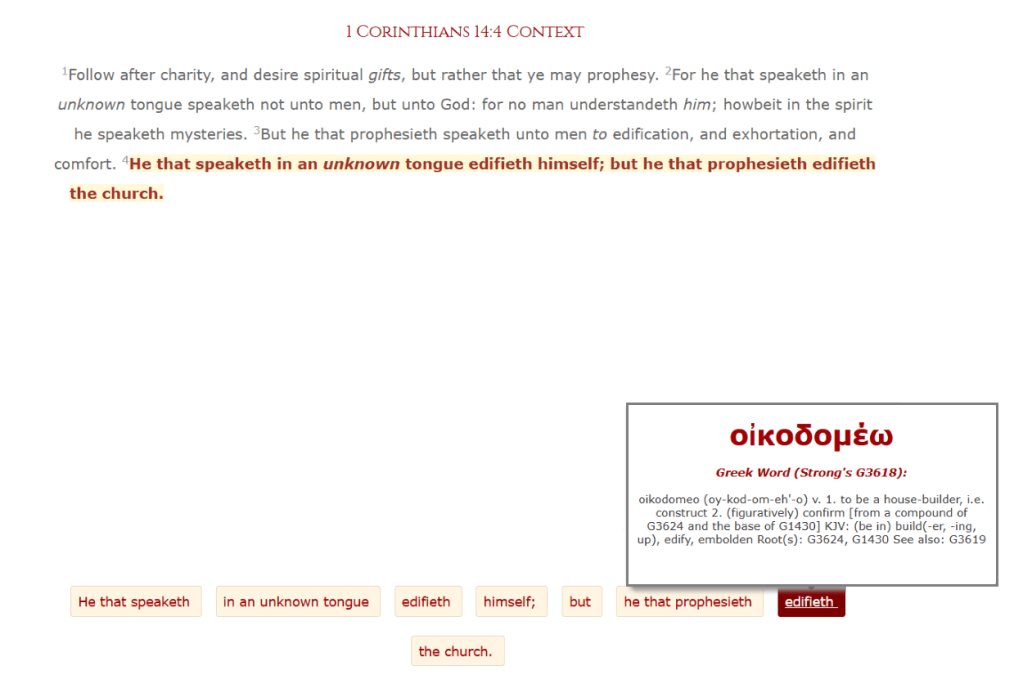
The last “CONTEXT” is “ROCK”. This is a title for YHVH and is used that over 40 times.
The conclusion of this study is that Messiah is turning the people under the jurisdiction of Satan into his:
“Called-Out-Ones”.
And the prison gates cannot stop him!
Before we end this first lesson, it is important to know that YHVH has caused His “Chosen People” to be the perfect “Object Lesson” for our “KINGDOM WALK”.
We must overcome “STRONGHOLDS” that were developed in us, when we were functioning under the jurisdiction of Satan. (II Cor 10:4)
The Jews “PULLED DOWN STRONGHOLDS” in “The Promised Land”. They were “Called-Out” of slavery to the Egyptian Pharoah.
Are you seeing this similarity yet?
Their history teaches our “JURISDICTIONAL PARADIGM”.
Click the “NEXT PAGE BUTTON”, to move on, or the site logo to return to the Home Page